Culture & Entertainment · India Bureau
11th-Century Russian Pendant Merges Christian, Pagan Imagery
Archaeologists in Russia have uncovered a remarkable medieval pendant that blends Christian and pagan symbolism, offering fresh insights into cultural syncretism in early Eastern Europe. The artifact suggests how ancient communities incorporated diverse religious traditions into daily protective practices.
LSN India ·
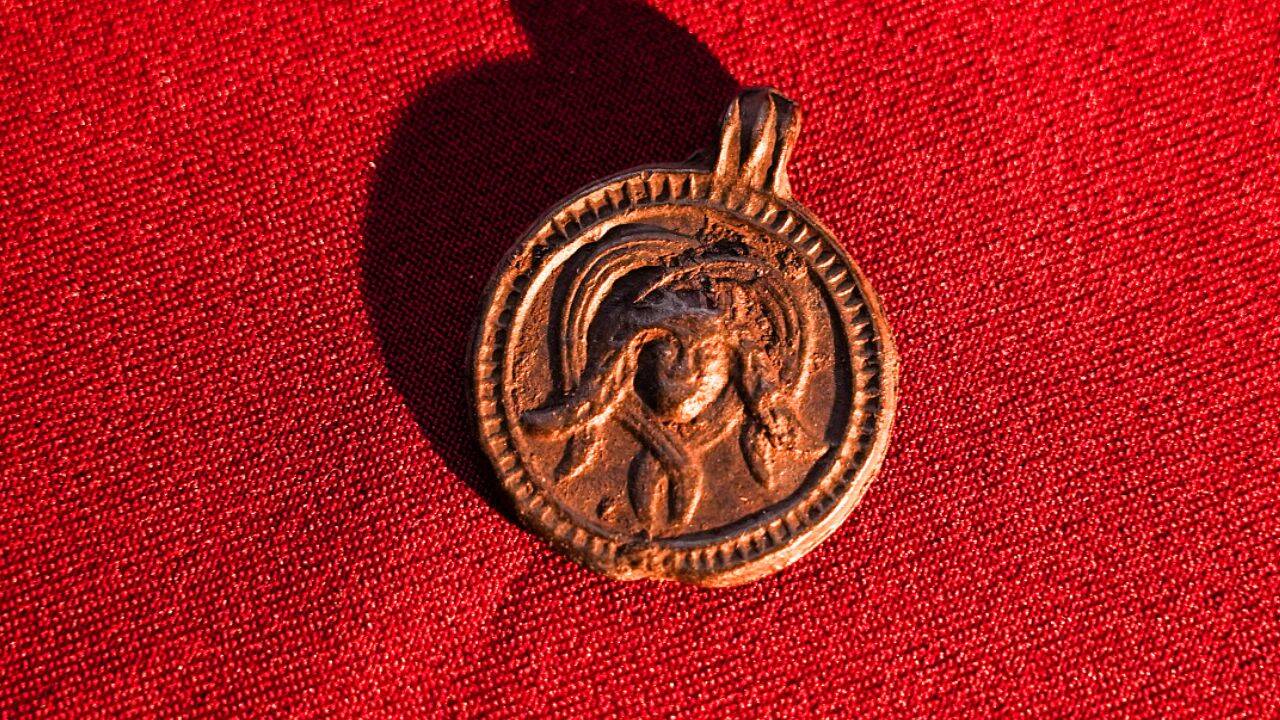
Researchers working in Staraya Russa, an ancient Russian settlement, have discovered an 11th-century pendant that represents a striking fusion of Christian and pagan iconography. The two-sided artifact displays a warrior saint on one face and a serpent-haired female figure—reminiscent of Medusa from classical mythology—on the reverse, creating a unique window into the religious practices of medieval Russia.
The pendant exemplifies the cultural synthesis occurring across Eastern Europe during this period, when Byzantine Christian influences were gradually permeating local traditions. Rather than completely displacing indigenous beliefs, communities often incorporated both systems into their spiritual and material lives. Such artifacts demonstrate how ordinary people navigated multiple religious frameworks in their quest for spiritual protection.
Experts believe the pendant functioned as an amulet, worn by its owner for safeguarding against illness and various misfortunes. The dual imagery suggests the wearer sought protective powers from both Christian saints and older pagan traditions, reflecting a pragmatic approach to spiritual security common in medieval societies undergoing religious transition.
The discovery reinforces Staraya Russa's significance as a cultural crossroads and centre of local craft production. The pendant's craftsmanship and iconography indicate the settlement maintained active connections with broader Byzantine cultural networks while sustaining distinctive local artistic practices. Further analysis of such artifacts may illuminate how communities in medieval Russia negotiated the complex religious transformations of their era.