Business · World News Bureau
1955 Bandung Conference Offers Blueprint for Modern Global Cooperation
As geopolitical tensions escalate worldwide, analysts are revisiting lessons from the historic Bandung Conference, where developing nations forged a collective voice on the international stage nearly seven decades ago.
LSN World News ·
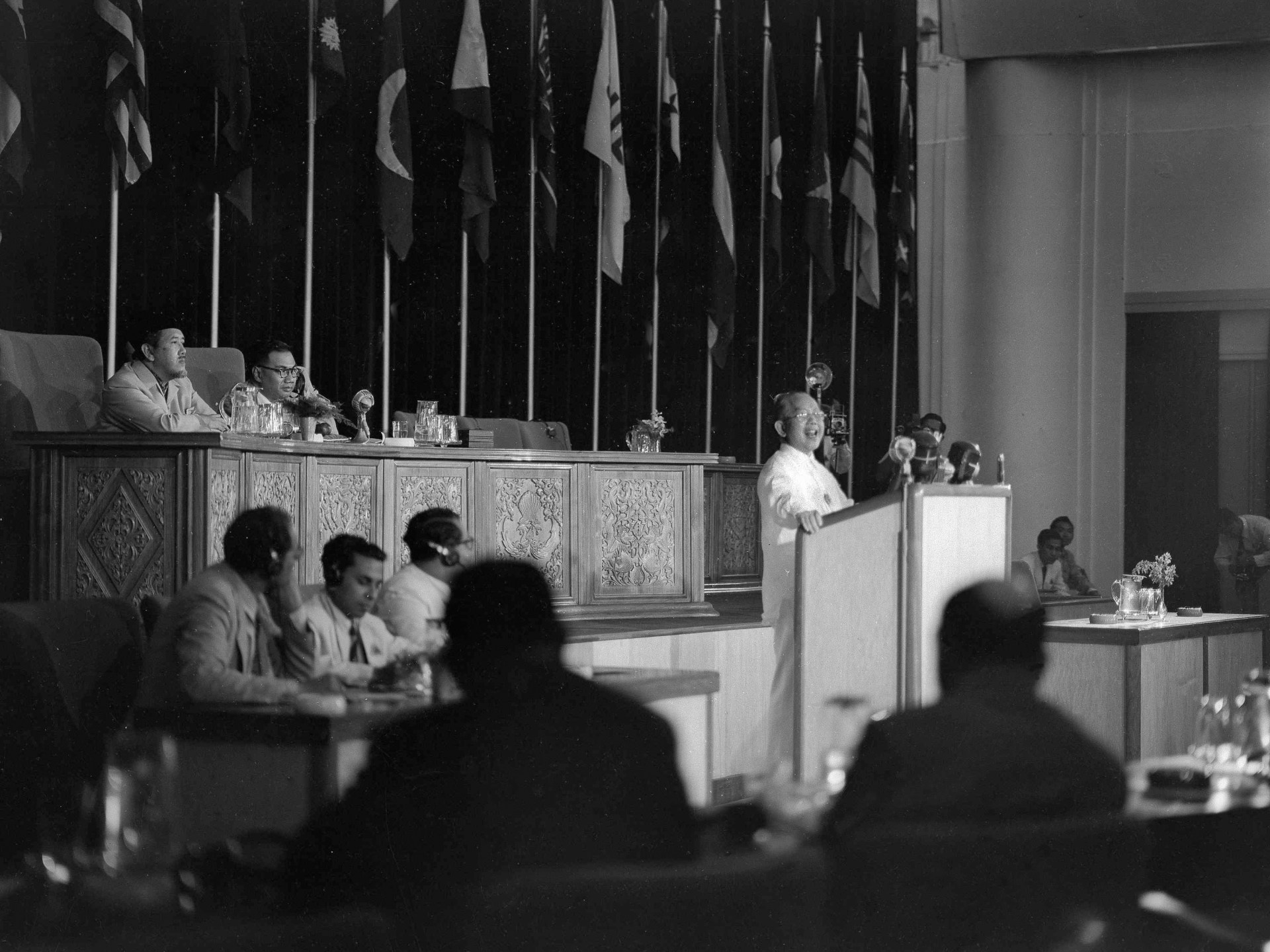
The 1955 Bandung Conference, which brought together 29 African and Asian nations in Indonesia, established foundational principles for cooperation among newly independent states navigating the Cold War era. The gathering produced the Ten Principles of Bandung, emphasizing mutual respect for sovereignty, non-interference in internal affairs, and peaceful resolution of disputes—ideals that remain relevant in contemporary international relations.
Historians and policy experts point to Bandung as a pivotal moment when developing nations collectively asserted their interests independent of superpower influence. The conference rejected bloc politics and colonialism, championing instead a path of non-alignment that enabled smaller nations to maintain autonomy while addressing shared challenges.
In an era marked by renewed great-power competition, fragmented multilateral institutions, and polarized geopolitics, the Bandung principles offer renewed relevance. The conference demonstrated that consensus-building among diverse nations with varying interests and ideologies is achievable when grounded in shared commitments to sovereignty, equality, and constructive dialogue.
Contemporary policymakers increasingly reference Bandung's legacy as a model for South-South cooperation and alternative frameworks for addressing global challenges. As current international tensions underscore the limitations of traditional Cold War-era institutions, the conference's emphasis on inclusive dialogue and mutual respect suggests pathways toward more balanced and representative global governance.