World · World News Bureau
1955 Bandung Conference Reshaped Global Power Dynamics
Seventy years after 29 newly independent nations gathered in Indonesia, the historic Bandung Conference remains a pivotal moment when developing countries challenged Western-dominated international order. The meeting marked the emergence of the Global South as a collective political force.
LSN World News ·
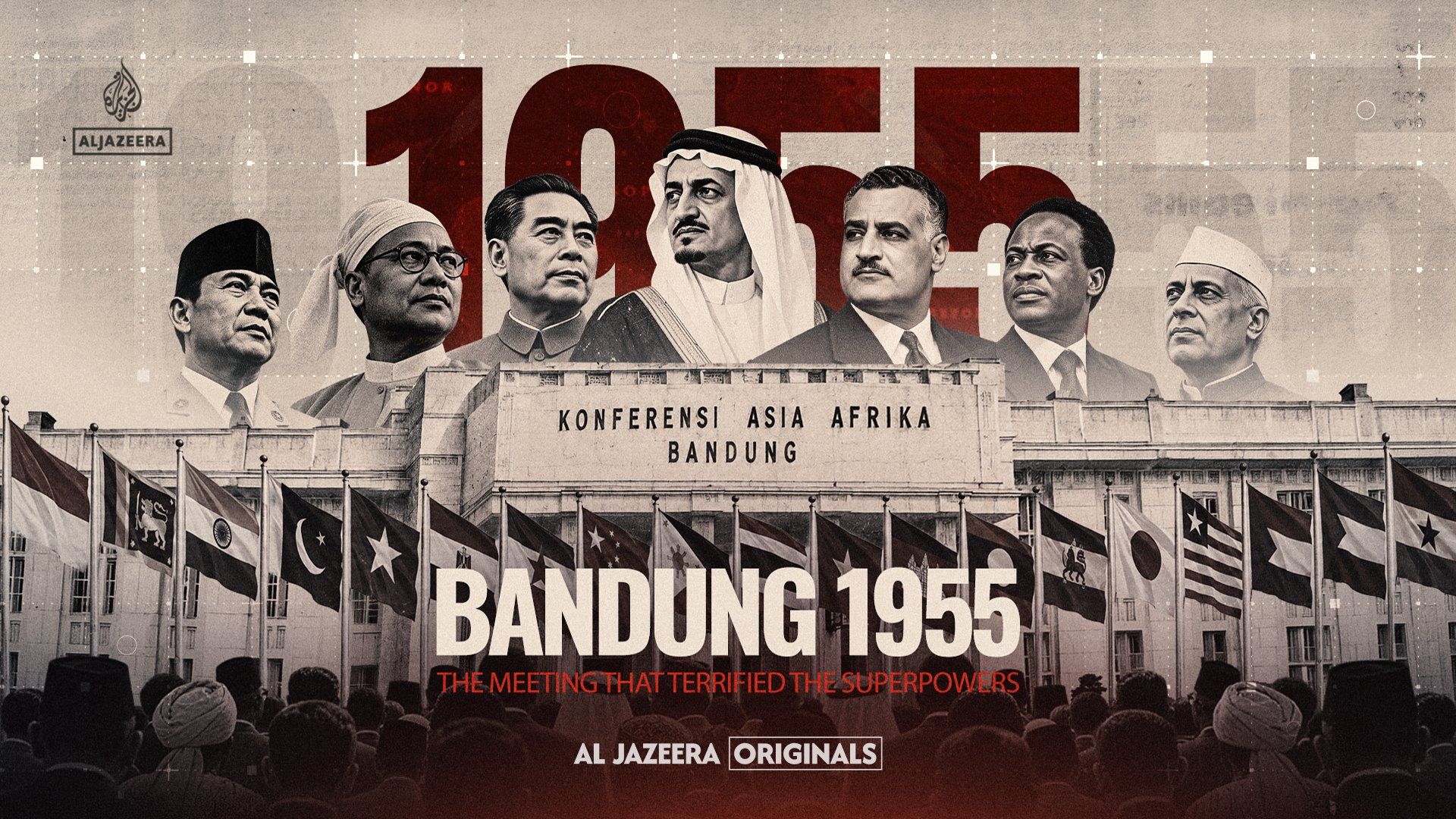
The 1955 Bandung Conference in Indonesia represented a watershed moment in post-World War II geopolitics, bringing together leaders from Africa and Asia in their first large-scale gathering following decolonization. The assembly of 29 nations, many freshly liberated from colonial rule, demonstrated that newly independent countries possessed the capacity to act independently on the world stage, free from the constraints of Cold War superpowers.
The conference challenged the existing imperial order that had dominated international relations for centuries. By convening without Western presence or mediation, participating nations signaled their determination to chart their own course and resist pressure to align automatically with either the United States or Soviet Union. The gathering articulated principles of mutual respect, non-interference, and peaceful coexistence that would later influence international law and diplomacy.
The event awakened what participants termed the power of the Global South, establishing a precedent for developing nations to negotiate collectively on matters of mutual interest. Attendees addressed colonialism, racism, and economic inequalities that affected their populations, transforming individual grievances into a coordinated platform for global change.
The Bandung Conference's legacy extends beyond its immediate outcomes, establishing frameworks for South-South cooperation that persist today. The meeting demonstrated that the post-colonial world would not passively accept the bipolar Cold War structure, laying groundwork for the Non-Aligned Movement and reshaping how developing nations engaged with international institutions and each other.