World · India Bureau
1984 riot survivors reflect on Sajjan Kumar's death after four decades
The passing of the former Congress leader marks a significant moment for families who lost loved ones in the anti-Sikh violence, though reactions remain divided over whether justice has truly been served.
LSN India ·
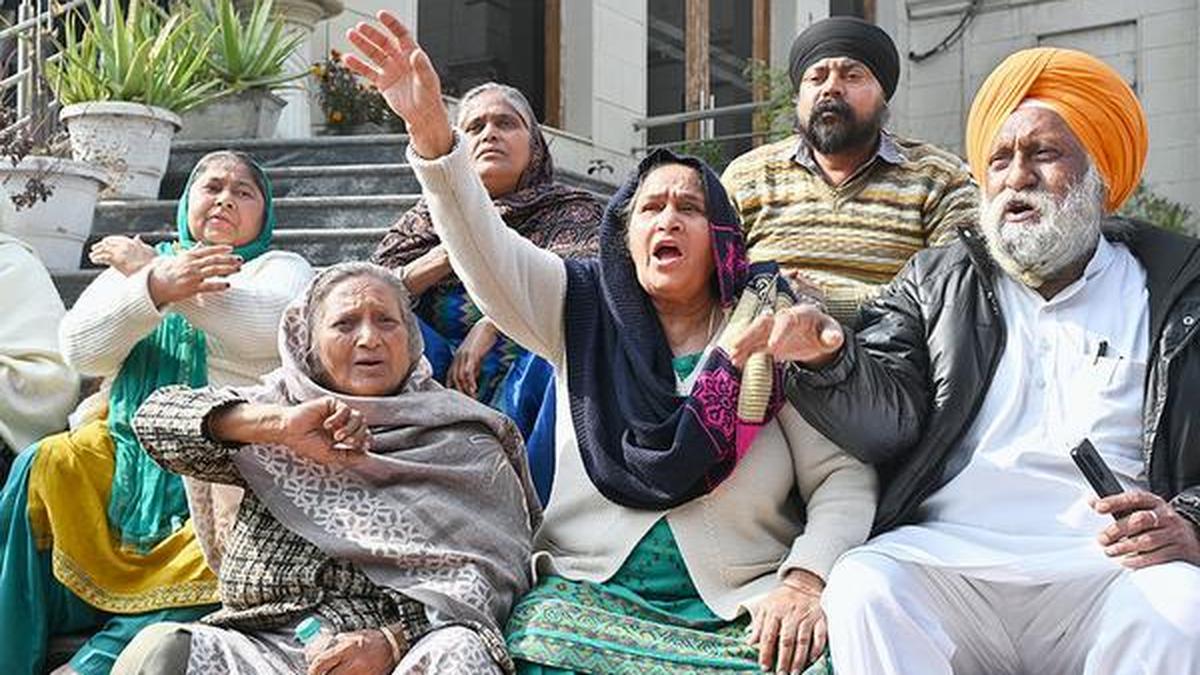
Survivors and families of victims from the 1984 anti-Sikh riots have reflected on the death of Sajjan Kumar, the former Congress politician convicted of crimes during the violence that claimed thousands of lives in Delhi. For many who witnessed the horrific communal violence that erupted following Indira Gandhi's assassination, Kumar's passing represents a bittersweet closure after more than four decades of pursuing accountability.
Those who lost family members in the riots have expressed mixed emotions following news of Kumar's death. Some survivors described a sense of relief that a key figure from that dark chapter has passed, while others expressed frustration that he avoided facing the severest legal consequences for his alleged role in orchestrating and participating in the violence. Witnesses who saw the riots unfold firsthand recalled the widespread devastation they experienced, with many noting that the violence touched every aspect of their lives.
The 1984 anti-Sikh riots saw widespread communal violence across Delhi and other parts of India following Gandhi's assassination by her Sikh bodyguards. Thousands died in the violence, with families displaced and communities torn apart. Kumar was convicted in 2020 for criminal conspiracy and relevant sections of criminal law, marking one of the few successful prosecutions related to the riots after decades of legal proceedings.
For survivors and victim families, Kumar's death closes one chapter in their long struggle for justice. While some view his passing as bringing a degree of closure to the ordeal, others remain disappointed that the legal system's resolution came only after he had lived for decades following the violence. The moment reflects the ongoing complexities surrounding accountability for communal violence and the challenges survivors face in their pursuit of justice across generations.