Culture & Entertainment · India Bureau
3,700-year-old burial ritual reveals ancient fears, Spanish archaeologists find
Researchers examining a Bronze Age skeleton from southeastern Spain have uncovered evidence of an unusual burial practice, where a stone was placed in the deceased man's mouth beneath a hearth. The discovery suggests early civilizations may have performed ritualistic burials to neutralise perceived supernatural threats.
LSN India ·
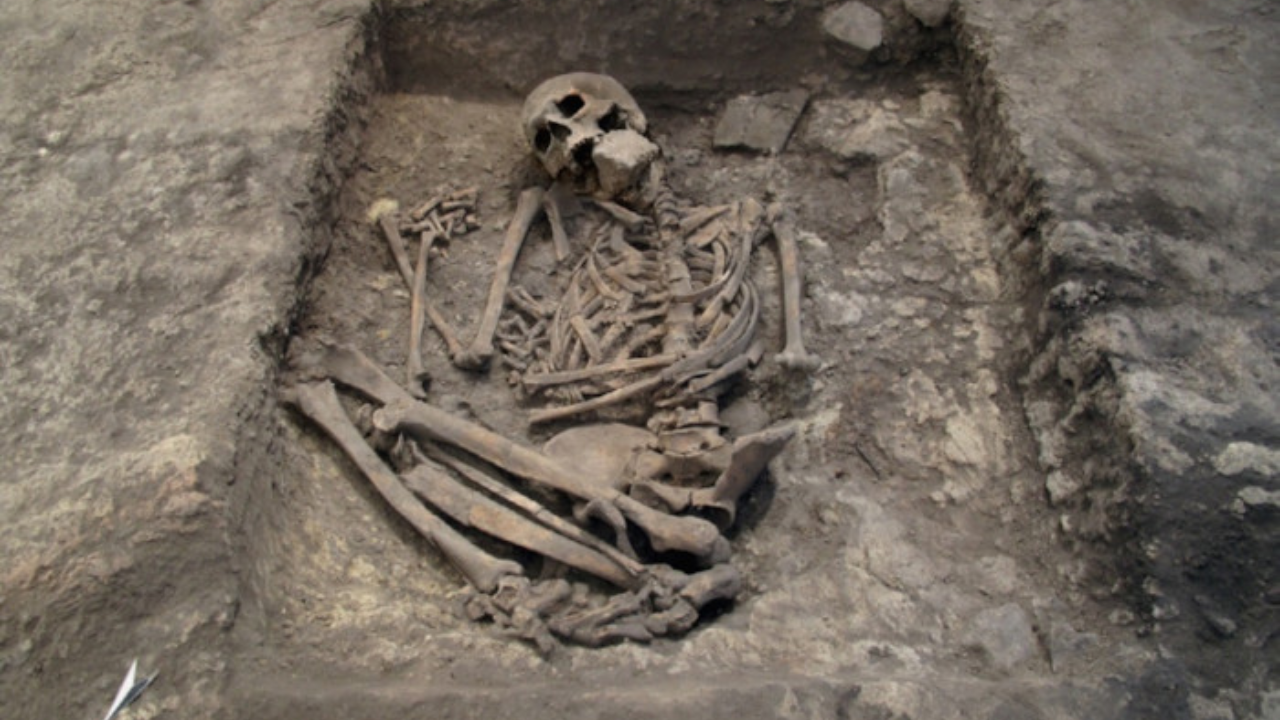
Archaeologists studying Bronze Age remains from southeastern Spain have identified an extraordinary burial practice dating back approximately 3,700 years. The skeleton of a man discovered beneath a domestic hearth bore an unusual feature: a stone deliberately positioned in his mouth.
Experts believe the ritual interment was not punitive in nature, but rather a symbolic act designed to address perceived threats from the deceased. The placement of the stone suggests an attempt to silence the individual, possibly reflecting ancient beliefs about the supernatural dangers posed by restless spirits or malevolent forces.
The burial location beneath the hearth—a central and significant feature of Bronze Age dwellings—further underscores the intentional and ceremonial nature of the practice. Hearths held considerable cultural importance in ancient communities, serving not only practical purposes but also symbolic and protective functions within domestic spaces.
The discovery provides valuable insights into the spiritual beliefs and anxieties of Bronze Age societies in the Iberian Peninsula. Such burial practices offer archaeologists rare windows into how ancient communities understood death, ritual, and the supernatural world, revealing that complex belief systems governed even the treatment of the deceased.