World · India Bureau
7,000-year-old beaver bone pit reveals early European farming practices
Archaeologists in Germany have uncovered a 7,000-year-old beaver bone pit that offers new insights into how Europe's first farming communities exploited animal resources. The organized arrangement of bones suggests these ancient peoples engaged in sophisticated hunting and fur processing techniques.
LSN India ·
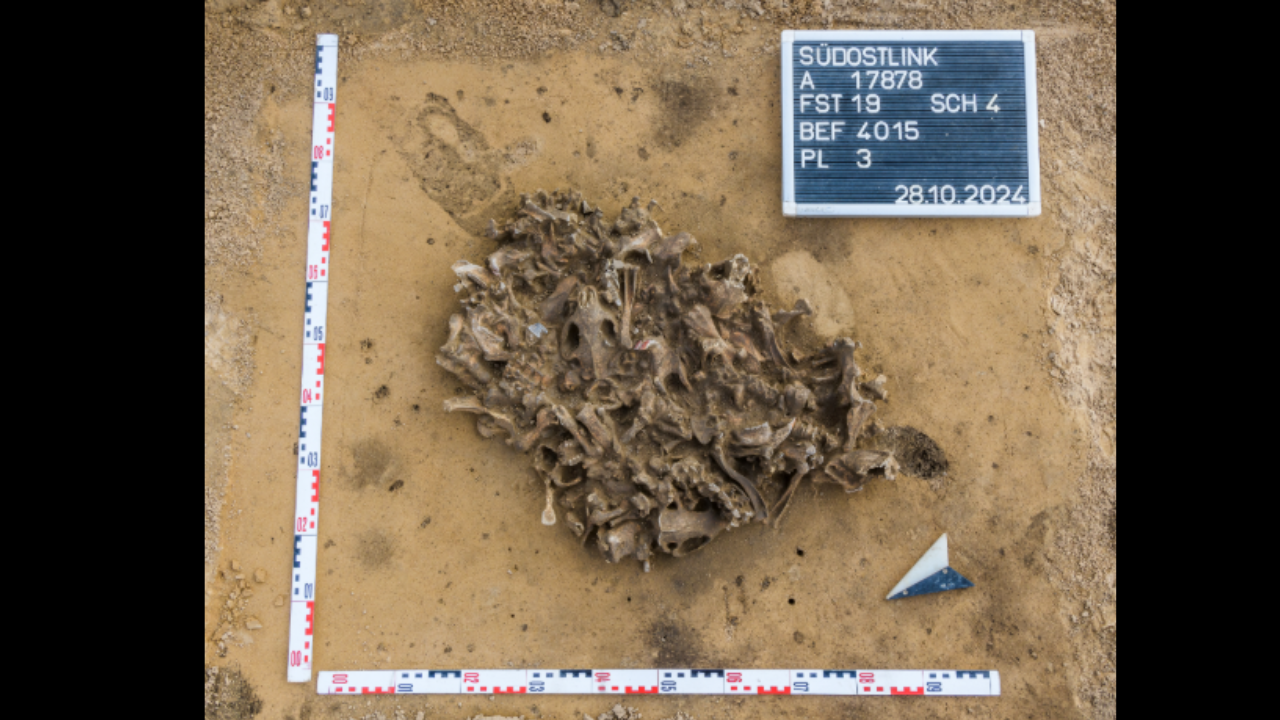
A significant archaeological discovery near Alsleben in Germany is providing fresh evidence of how early European farmers utilized animal products to survive and adapt to their environment. Excavations have revealed a large pit containing beaver bones dating back approximately 7,000 years, offering a rare window into the material culture of Neolithic communities.
The careful arrangement of the skeletal remains points to organized and systematic hunting activities rather than opportunistic kills. Researchers analyzing the site have concluded that the bones represent the processed remains of animals specifically targeted for their valuable fur, which would have been essential for clothing in the region's climate.
The find underscores the sophistication of these early agricultural societies, which combined farming with strategic hunting and resource management. The evidence suggests that early European farmers possessed specialized knowledge about animal processing and crafted intricate fur garments as part of their adaptation to local environmental conditions.
Archaeologists believe such discoveries are crucial for understanding the economic practices and daily life of Neolithic Europe, demonstrating that these communities employed diverse survival strategies beyond basic agriculture. The Alsleben site adds to a growing body of evidence showing how our ancestors systematically exploited natural resources to build sustainable societies.