World · India Bureau
75,000-year-old Neanderthal skeleton hints at ancient violence and social care
An analysis of Neanderthal remains discovered in Iraq reveals evidence of a potentially fatal spear wound and suggests the individual received care from others in their group. The findings offer rare insights into Neanderthal social behaviour and vulnerability to injury.
LSN India ·
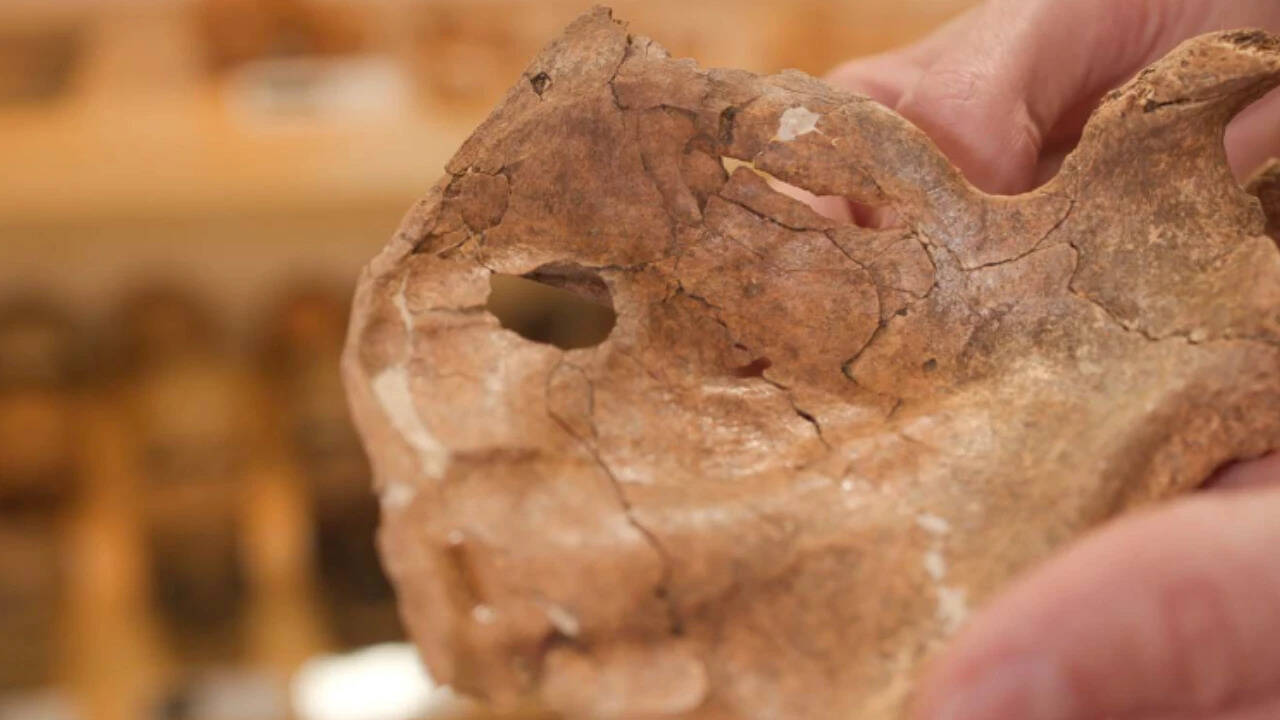
Researchers examining skeletal remains unearthed from Iraq's Shanidar Cave have identified a 15-millimetre puncture wound in the shoulder blade of a Neanderthal individual who lived approximately 75,000 years ago. The distinctive hole bears characteristics consistent with a wooden spear injury, suggesting the ancient hominin may have succumbed to a fatal attack.
The individual survived a severe facial injury for at least one year before the suspected spear wound, according to the scientific team's analysis. Evidence of bone healing around the facial trauma indicates the Neanderthal recovered from the earlier injury, despite its severity.
Perhaps more significantly, the remains suggest the injured Neanderthal received assistance from others in their social group during the healing period. The individual's survival despite debilitating injuries points to a level of communal care among Neanderthals, challenging earlier perceptions of the species as purely solitary or aggressive.
The Shanidar Cave site in Iraq has yielded some of the most important Neanderthal fossils discovered to date. These latest findings contribute to a growing body of evidence indicating Neanderthals possessed complex social structures and possibly engaged in both interpersonal violence and cooperative caregiving practices.