Business · India Bureau
87 million Indian youth trapped outside education, employment and training
A comprehensive government report has identified 87 million young Indians aged 15-29 who are neither studying nor working, underscoring a critical skills gap that threatens demographic dividend gains. The finding has prompted calls for expanded, subsidised training programmes aligned with emerging sectors and local labour market demands.
LSN India ·
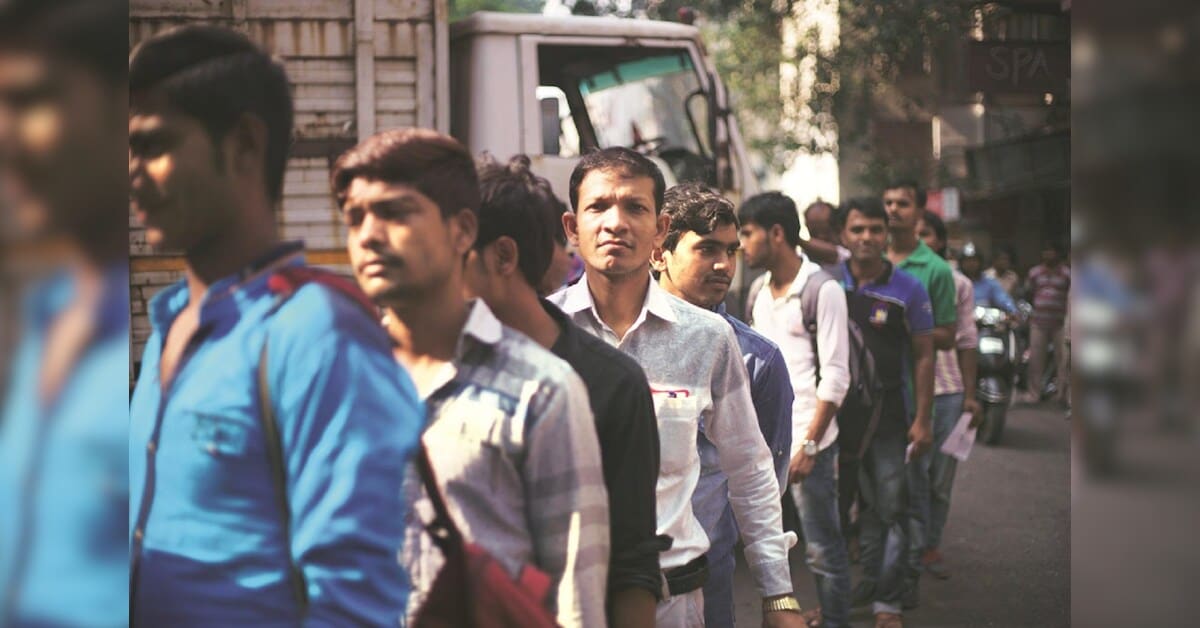
India faces a significant workforce challenge, with an estimated 87 million youth aged 15 to 29 classified as NEET—not in education, employment or training—according to a policy document released by NITI Aayog, the government's principal think tank. The assessment, based on data from the 78th round of the National Sample Survey conducted in 2021, has raised alarm among policymakers over the underutilisation of India's young population.
The NITI Aayog report, titled 'Reimagining Skilling for Viksit Bharat@2047', argues that NEET youth face compounding disadvantages including financial constraints and the burden of prior educational costs. "Students often cannot layer paid skilling onto existing financial commitments," the report notes, highlighting how economic barriers prevent young people from accessing training opportunities that could enable employment or self-employment.
To address the challenge systematically, the Aayog has segmented India's workforce and learner population into five categories: those in schooling, tertiary education, formal and informal employment, NEET youth, and women. This framework is intended to guide the design of targeted interventions for each group.
The government think tank has recommended scaling subsidised training programmes that align with local economic conditions and growth sectors. Such initiatives, officials argue, could unlock pathways to self-employment and wage work while addressing regional variations in labour market opportunities. The findings underscore growing concerns that without intervention, a substantial portion of India's youth risk being excluded from economic participation.