World · India Bureau
8th Pay Commission Report Expected by Mid-2027, Implementation Timeline Unclear
India's 8th Central Pay Commission is expected to submit its report between May and June 2027, but central government employees may face further delays before salary revisions take effect. The government will need to review and approve the commission's recommendations before implementation.
LSN India ·
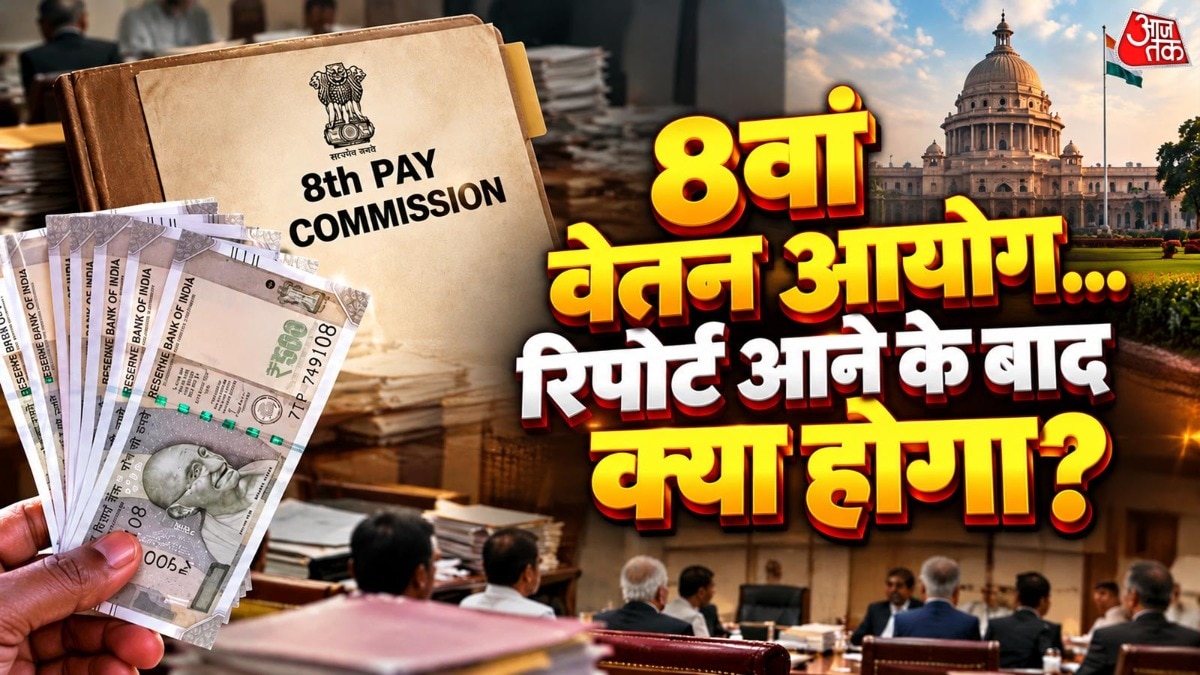
The 8th Central Pay Commission, tasked with recommending salary structures for India's central government workforce, is on track to complete its report by mid-2027. However, the submission of recommendations will mark only the beginning of a multi-phase approval process that could extend the timeline for actual salary increases.
Once the commission submits its report, the central government will undertake a comprehensive review of all recommendations. This phase involves detailed examination by relevant ministries and departments to assess the financial implications and feasibility of proposed changes to pay scales, allowances, and other employment benefits.
Following the internal review, the government will decide which recommendations to accept, modify, or reject. This decision-making process typically involves consultations with various stakeholder groups and financial assessments to determine budgetary impact and implementation strategies.
Central government employees, including civil servants, defence personnel, and other cadres, have been anticipating the pay commission's findings since the 7th Pay Commission's recommendations were implemented in 2016. The five-phase implementation process—from report submission through government approval, parliamentary consideration, notification, and final implementation—means that even after the report arrives in 2027, the actual salary revisions may take several additional months to execute.
Government sources indicate that the exact timeline for implementation will depend on the scope of recommendations and the complexity of modifying existing pay structures across multiple departments and service branches.