World · Bangladesh Bureau
90 million displaced people face escalating climate threats, UNHCR warns
The United Nations refugee agency has sounded an alarm over the mounting vulnerability of tens of millions of displaced persons across South and Southeast Asia to climate-related hazards. Bangladesh is among the nations where displacement and climate change combine to create acute humanitarian risks.
LSN Bangladesh ·
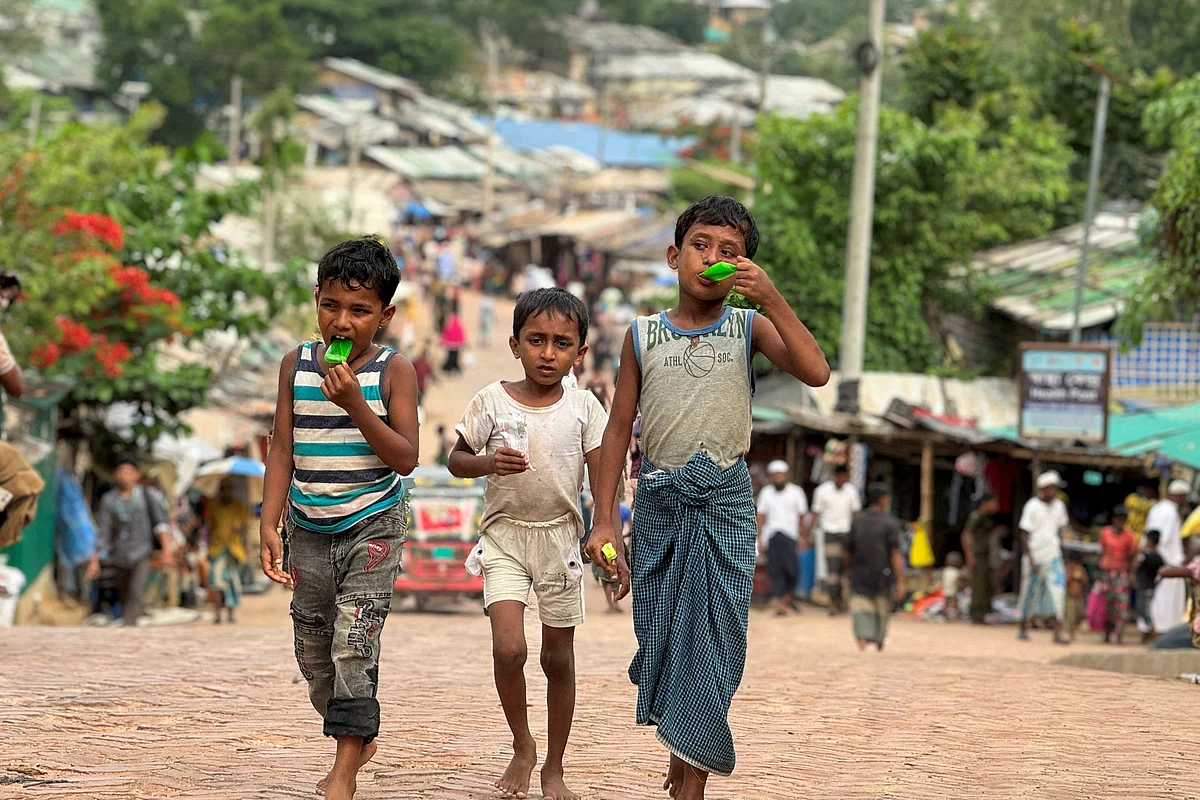
The UN High Commissioner for Refugees (UNHCR) has highlighted the precarious situation facing approximately 90 million displaced people across multiple countries in the region, who face compounding risks from climate change and environmental degradation.
Many of these individuals—including refugees, internally displaced persons, and stateless populations—live in camps, makeshift settlements, and marginalized communities with minimal access to basic services and infrastructure. Their vulnerability is amplified by their geographic location in areas already susceptible to floods, cyclones, and other climate-related disasters.
Bangladesh, home to significant displaced populations including Rohingya refugees in Cox's Bazar, is particularly vulnerable to climate impacts. The country's vulnerability is exacerbated by its geographic position in the delta region and its exposure to tropical cyclones and river flooding, placing displaced communities at heightened risk.
The UNHCR's warning underscores the urgent need for enhanced climate adaptation measures, improved early warning systems, and strengthened humanitarian preparedness in host countries. Experts stress that addressing the climate vulnerability of displaced populations requires coordinated regional responses and substantial investment in resilience-building infrastructure.
Climate-induced displacement threatens to compound existing humanitarian challenges across the region, potentially triggering secondary waves of migration and further straining host communities already burdened by large displaced populations.