World · World News Bureau
A Decade of Conflict Redraws Yemen's Territorial Map
Ten years of civil war have dramatically reshaped control across Yemen, with frontlines shifting repeatedly as multiple factions vie for dominance. Despite the upheaval, the Iran-backed Houthis maintain their grip on the capital Sanaa, while no single force has achieved nationwide control.
LSN World News ·
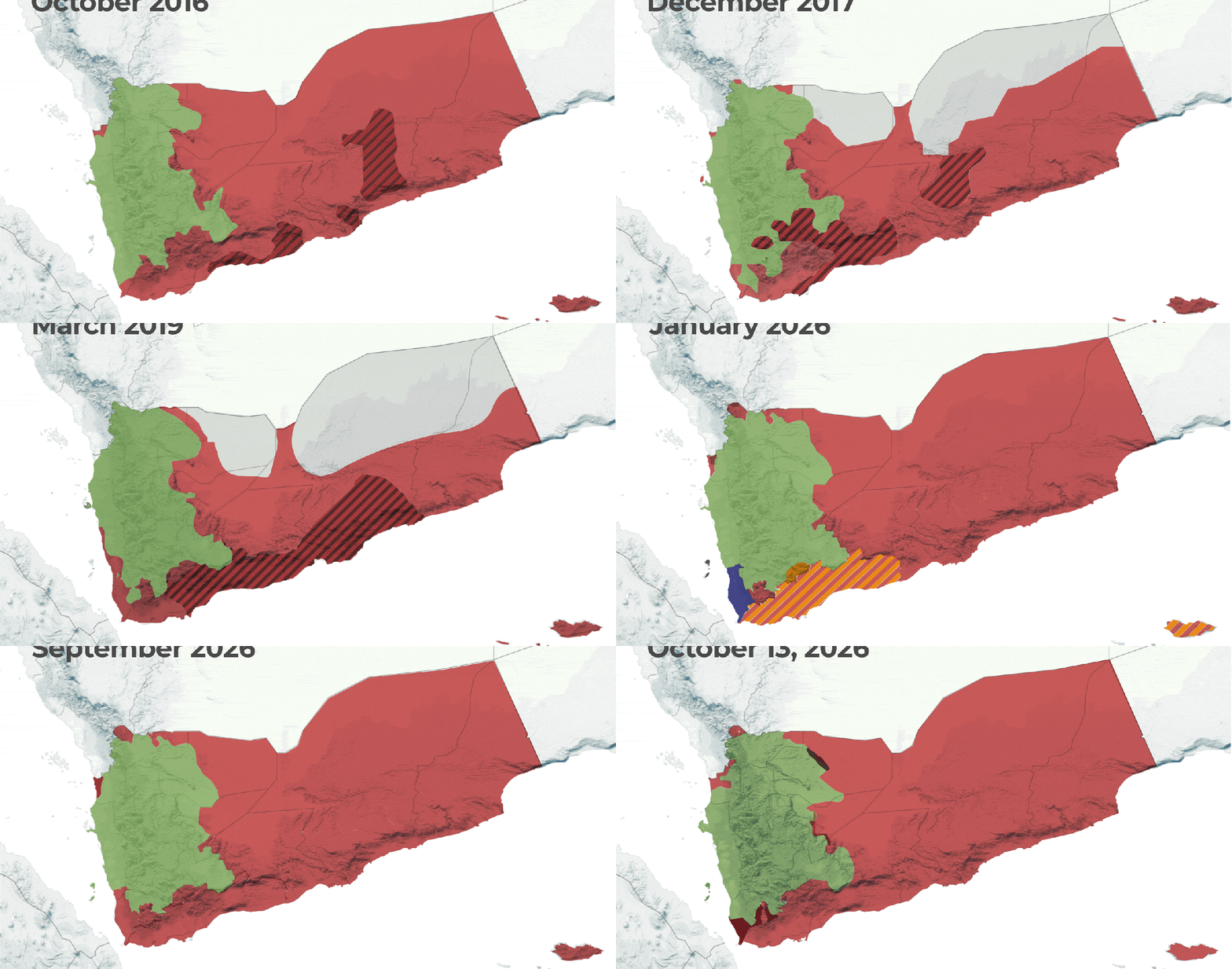
Yemen's decade-long conflict has produced a patchwork of territorial control that defies simple categorization, with the country fragmented among competing armed groups and regional powers. The war, which intensified following the 2014 Houthi takeover of the capital, has witnessed significant territorial fluctuations as the rebel movement, the internationally recognized government, Saudi-led coalition forces, and various militias have gained and lost ground across the Arabian Peninsula's poorest nation.
Mapping the evolution of these shifting frontlines reveals the conflict's complex and multifaceted nature. The Houthis have consolidated control over Yemen's most populous northern regions, including Sanaa, despite years of Saudi-led military intervention and airstrikes. Simultaneously, government-aligned forces and coalition partners have made tactical advances in southern and eastern areas, though control remains contested and fragile.
The humanitarian toll of this territorial instability has been catastrophic. Millions of Yemenis have been displaced, and the country faces widespread famine and disease, with the conflict's fluid boundaries preventing effective aid delivery and reconstruction efforts. The absence of a clear victor after a decade of warfare underscores the intractable nature of Yemen's divisions, with political, sectarian, and regional rivalries cementing the stalemate.
International diplomatic efforts to broker a lasting resolution have yielded limited results, leaving Yemen's territorial and political future uncertain. The current fragmented landscape reflects not a resolution of the underlying conflicts but rather a precarious balance maintained through ongoing military pressure and regional proxy competition.