World · India Bureau
A decade on, demonetisation's promised benefits remain elusive
Ten years after India's sweeping demonetisation drive, evidence suggests the policy failed to achieve its stated objectives of curbing black money or permanently reducing cash usage. Economists point to minimal lasting impact despite significant short-term disruption to the economy.
LSN India ·
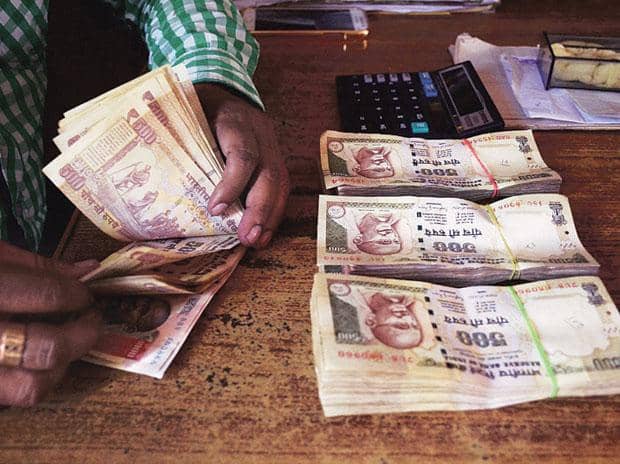
When India withdrew high-denomination currency notes from circulation in November 2016, policymakers cited two primary goals: curtailing illicit wealth and pushing the economy towards digital transactions. A decade later, neither objective appears to have materialised in the manner anticipated.
Data compiled by economists and financial analysts indicates that cash circulation has largely rebounded to pre-demonetisation levels, with currency in circulation actually expanding in subsequent years. The hoped-for permanent shift toward cashless transactions also failed to materialise as projected, with informal sectors and rural economies continuing to rely heavily on physical currency.
On the black money front, the anticipated large-scale detection of undisclosed wealth proved limited. While some unaccounted assets surfaced through voluntary disclosure schemes introduced in the aftermath, the overall yield fell short of official expectations and public projections. Simultaneously, the sudden withdrawal of 86 per cent of currency notes in circulation triggered acute cash shortages that disrupted businesses, delayed payments to farmers, and created widespread hardship, particularly in rural areas dependent on cash transactions.
Economists now assess that demonetisation's costs—including reduced economic growth, informal sector contraction, and administrative burden—substantially outweighed measurable gains. The episode remains a subject of intense debate regarding the efficacy of blunt monetary instruments in combating financial crime, with policymakers worldwide citing the Indian experience as a cautionary reference point.