Technology · India Bureau
A decade on: India's cash paradox persists despite digital payments surge
Ten years after demonetisation fundamentally reshaped India's payment landscape, the country remains caught between two competing realities: rapid digital adoption and an enduring reliance on physical currency that defies expectations.
LSN India ·
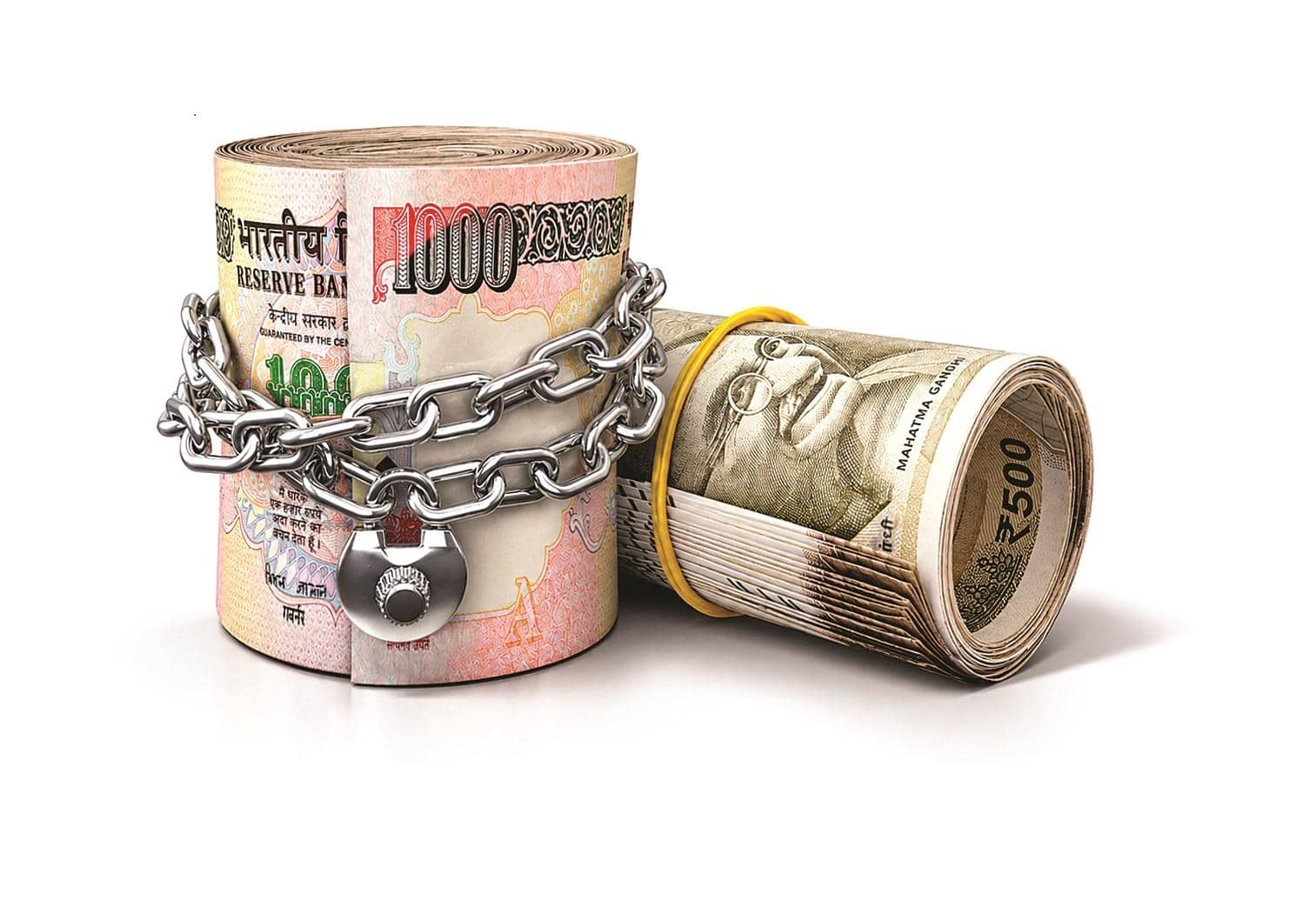
The November 2016 demonetisation decision, which withdrew high-denomination notes from circulation, was intended to catalyse India's shift toward a cashless economy. The policy succeeded in one respect—digital payment infrastructure expanded dramatically, with mobile wallets, online banking, and card transactions becoming mainstream across urban and rural areas alike. Yet the anticipated decline in cash usage has not materialised as predicted.
A decade into this transformation, currency in circulation has rebounded to levels comparable with pre-demonetisation periods, revealing the structural complexities of India's payment ecosystem. Despite concerted government efforts to promote digital transactions through initiatives like the Unified Payments Interface (UPI), cash continues to dominate large portions of the economy, particularly in informal sectors and rural regions where digital penetration remains incomplete.
This persistent cash paradox reflects deeper realities about India's economic structure. The informal economy, which comprises a substantial portion of domestic commerce, continues to operate primarily on cash transactions. Additionally, digital payment adoption has concentrated in urban centres and among economically advantaged populations, while vast segments of the population—particularly in smaller towns and villages—maintain limited digital infrastructure access.
Economists and policymakers remain divided on interpreting this outcome. Some view the coexistence of high digital adoption rates alongside sustained cash circulation as evidence of a maturing dual-track system meeting diverse economic needs. Others suggest it indicates incomplete financial inclusion and persistent gaps in the digital ecosystem's ability to replace traditional payment methods comprehensively.
As India continues evolving its monetary and payments architecture, the cash-digital dichotomy underscores the challenges of implementing broad economic transformation across a country with profound regional, economic, and infrastructural variations.