Business · India Bureau
A decade on, India's love affair with cash endures despite digital surge
Ten years after demonetisation, currency in circulation has more than doubled even as digital payment platforms like UPI have recorded explosive growth, revealing Indians' preference for a dual payment ecosystem rather than a cashless transition.
LSN India ·
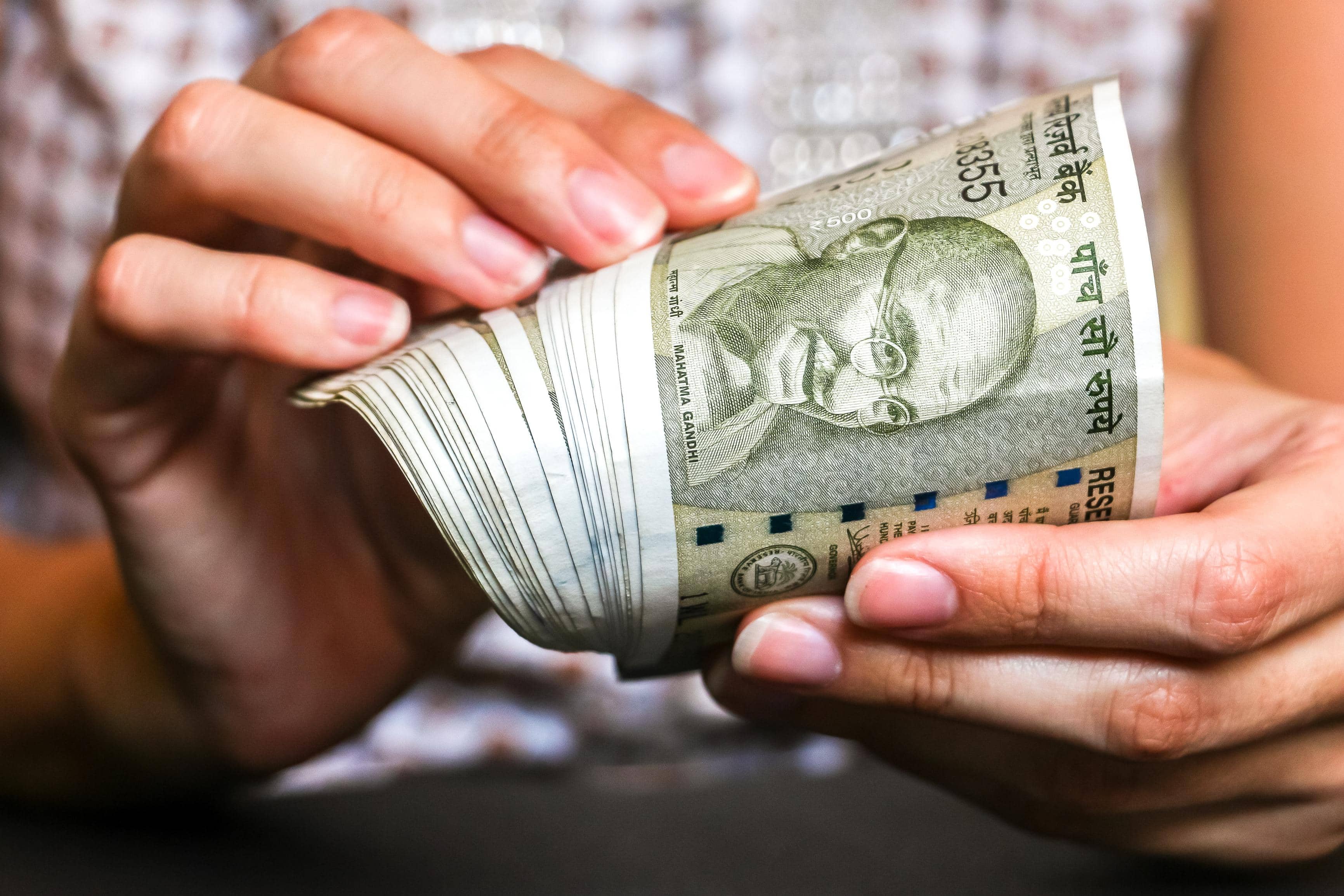
India's experiment with demonetisation in November 2016 aimed to curb black money and accelerate the shift toward digital payments. Yet the intervening decade tells a different story: rather than abandoning cash, Indians have embraced both physical currency and digital platforms in tandem. Data shows currency in circulation has more than doubled since the note ban, contradicting predictions of a transition to a primarily cashless economy.
The parallel rise of digital payments has been nothing short of dramatic. Unified Payments Interface transactions have surged exponentially, with UPI becoming one of the world's fastest-growing payment systems. However, this growth has not come at the expense of cash usage. Instead, Indians have integrated digital payments into their existing financial behaviour without fundamentally abandoning notes and coins.
Economists and financial analysts attribute this dual adoption to India's diverse economic landscape. While urban centres and salaried populations increasingly rely on digital platforms, rural areas and unorganised sectors continue to depend heavily on cash transactions. The coexistence reflects both the reach limitations of digital infrastructure and the deep-rooted cultural preference for tangible currency across large sections of the population.
The phenomenon underscores a broader trend in developing economies where payment systems evolve through accumulation rather than replacement. Rather than one method displacing another, Indians have created a hybrid ecosystem suited to the nation's vast geographical, economic, and demographic diversity. This pattern suggests that predictions of imminent cashlessness may have underestimated the resilience of traditional payment methods in India's complex marketplace.