Technology · India Bureau
Abandoned mines emerge as sustainable cooling solution for data centres
Disused mining sites are being repurposed to provide natural cooling for energy-intensive data centres, with early trials demonstrating significant operational efficiency gains. A Pennsylvania facility recently showcased the viability of the approach, managing substantial computational loads with minimal environmental impact.
LSN India ·
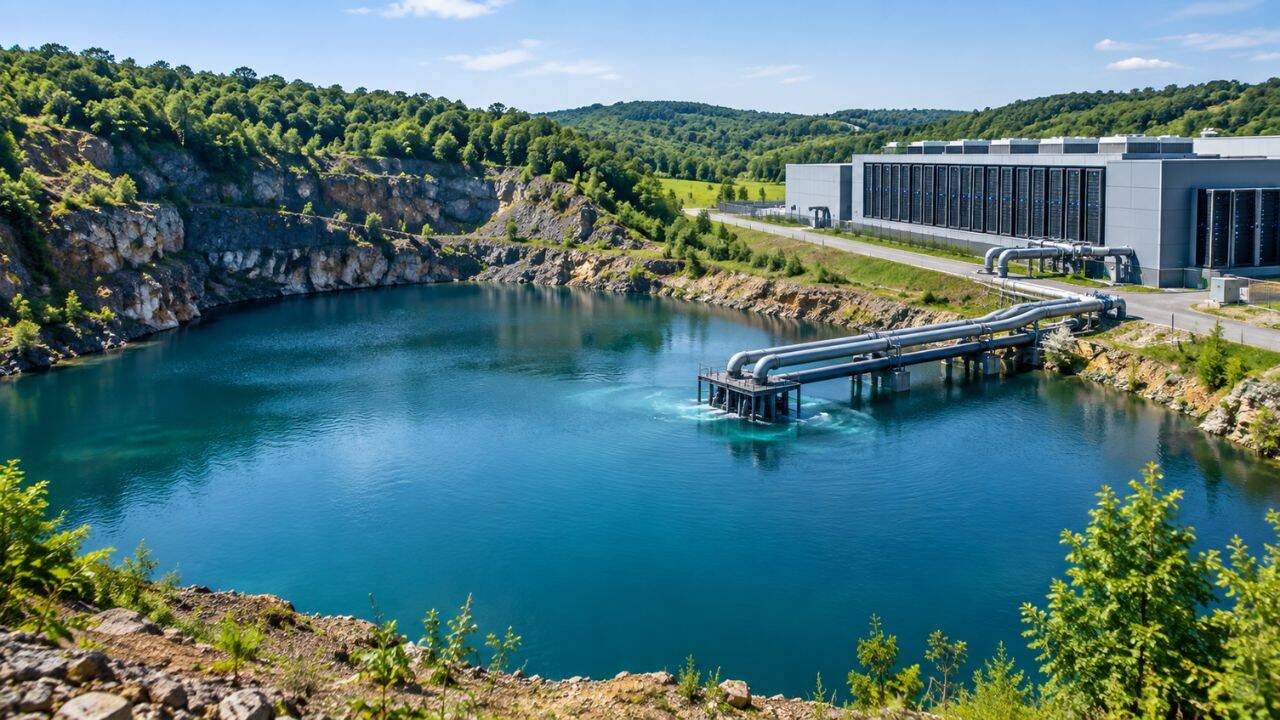
Data centre operators are increasingly turning to abandoned mines as a novel solution to manage the substantial heat generated by computing infrastructure. The naturally cool, stable temperatures found deep within inactive mining sites offer a cost-effective and environmentally efficient alternative to conventional cooling systems, which typically account for a significant portion of operational expenses in the sector.
A pilot installation at a disused Pennsylvania mine demonstrated the practical application of this approach, successfully handling a computational load of 30.6 megawatts—a capacity sufficient to support moderate-scale data centre operations. The experiment revealed that the geothermal properties of underground mine environments can substantially reduce the energy requirements associated with temperature regulation.
The growing demand for data centre capacity, driven by artificial intelligence development and cloud computing expansion, has intensified the search for sustainable infrastructure solutions. Traditional cooling methods consume vast quantities of water and electricity, making them increasingly problematic in regions facing climate pressures and water scarcity.
Industry analysts suggest that repurposing abandoned mines addresses multiple challenges simultaneously: it alleviates the environmental burden of conventional data centre operations while revitalizing economically distressed mining communities. Several regions with extensive mining histories are now evaluating similar projects, recognizing the potential for synergies between digital infrastructure development and post-industrial land remediation.
While the technology remains in early stages, successful demonstrations have generated considerable interest among technology companies seeking to reduce their carbon footprint and operational costs.