Business · India Bureau
Academics, activists stage school sleepover to protest Telangana education funding
Concerned about declining government investment in education, academics and activists in Telangana have resorted to overnight demonstrations in schools. The state's education budget has languished in single digits as a percentage of total spending for over a decade.
LSN India ·
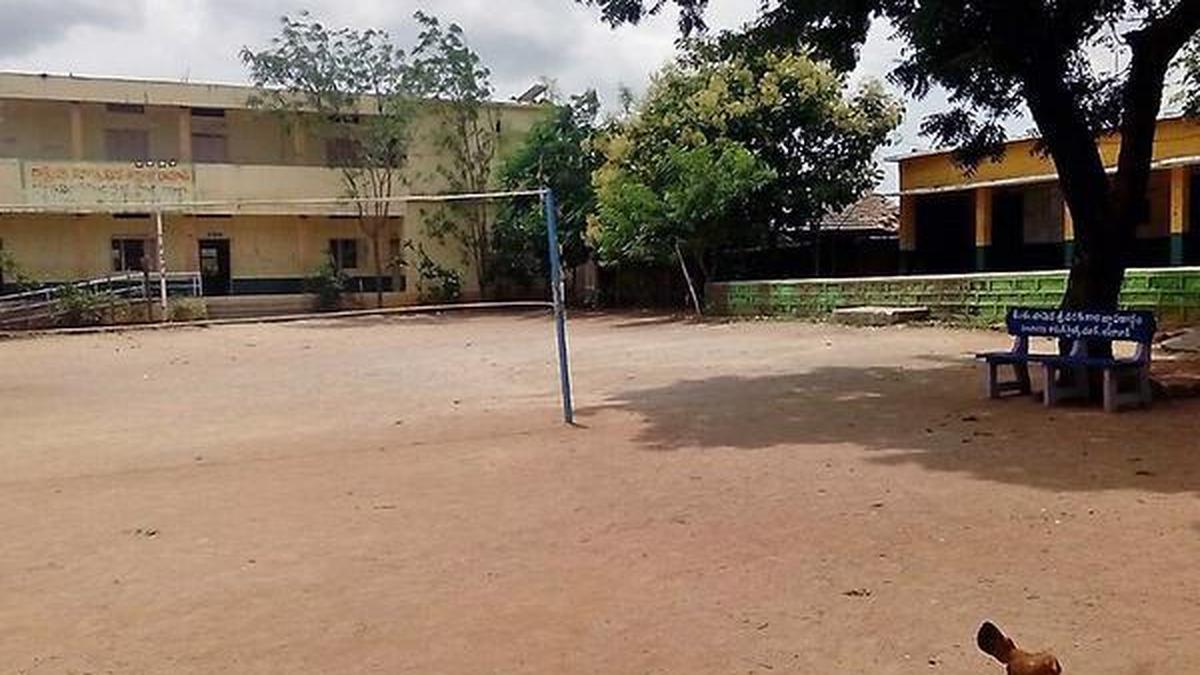
Academics and activists in Telangana have staged a novel form of protest, spending nights in government schools to highlight the chronic underfunding of the education sector in the state. The demonstrations underscore growing concerns about the government's commitment to public education even as enrolment and infrastructure challenges persist across the region.
The campaign comes against a backdrop of stagnant budgetary allocations for education. Government spending on education has remained below 10 percent of the state's total budget for more than ten years, according to education observers and civil society groups. This sustained neglect has raised alarm among those who view adequate educational investment as essential for the state's long-term development and social progress.
The protesters argue that chronically inadequate funding has left schools struggling with basic infrastructure, insufficient teaching staff, and limited resources for student learning. Many institutions lack proper facilities, and maintenance backlogs have accumulated over years of tight budgets. Activists contend that such deprivation undermines quality education and perpetuates educational disparities across socioeconomic groups.
The overnight vigils serve as a symbolic commentary on the state of public schooling, with participants hoping to draw policymakers' attention to education's declining share in government priorities. Education advocates have called for sustained increases in budget allocations and better policy focus to ensure that schools receive adequate resources to function effectively and serve students adequately.