Business · Malaysia Bureau
Accountability gap widening for GLCs, statutory bodies' finances
The financial oversight of government-linked companies and statutory bodies remains murky, with complex subsidiary structures creating transparency challenges for regulators and the public.
LSN Malaysia ·
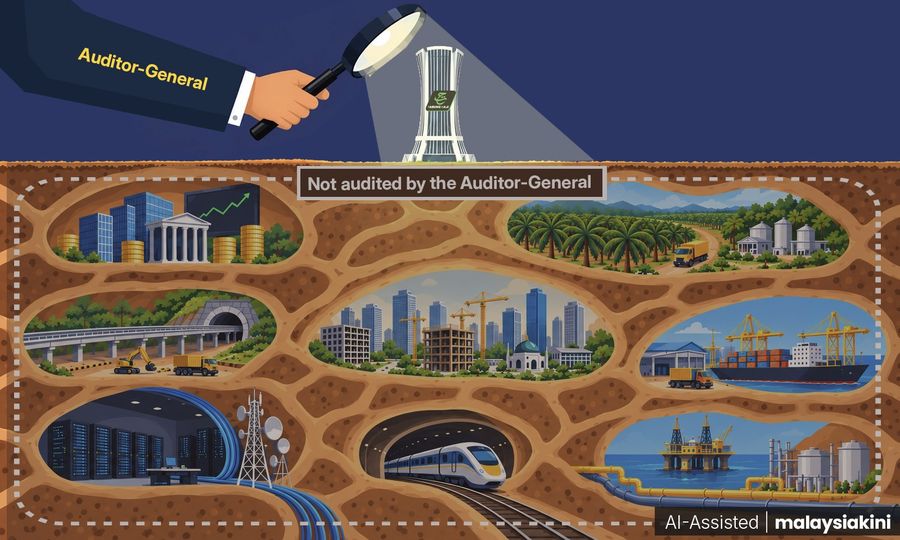
The financial architecture of Malaysia's government-linked companies (GLCs) and statutory bodies has grown increasingly complicated, raising questions about who ultimately monitors their spending and operations.
When GLCs and statutory bodies establish multiple layers of subsidiaries and associated entities, financial accountability becomes fragmented across numerous separate accounts and reporting structures. This creates what observers describe as a labyrinthine web that obscures the true financial picture and makes comprehensive oversight difficult for both regulators and stakeholders.
The challenge extends beyond simple record-keeping. Different entities may fall under different regulatory regimes, with some operating under corporate governance frameworks while others answer to ministerial oversight or specialized statutory requirements. This patchwork approach means no single body maintains complete visibility over the full scope of government-linked financial activities.
Experts argue that stronger consolidated reporting requirements and clearer accountability lines could enhance transparency without compromising commercial operations. The issue touches fundamental questions about public accountability, particularly when GLCs control significant national resources and deliver essential services.
Stakeholders including legislators, audit bodies, and civil society organizations have called for greater clarity in how these entities report their finances and the mechanisms through which their performance is evaluated and disclosed to the public.