World · Malaysia Bureau
Acknowledging missteps part of reform agenda, says Tian Chua
PKR vice-president Tian Chua argues that taking responsibility for unfulfilled pledges constitutes meaningful reform. He contends that reform efforts extend beyond the Prime Minister's office.
LSN Malaysia ·
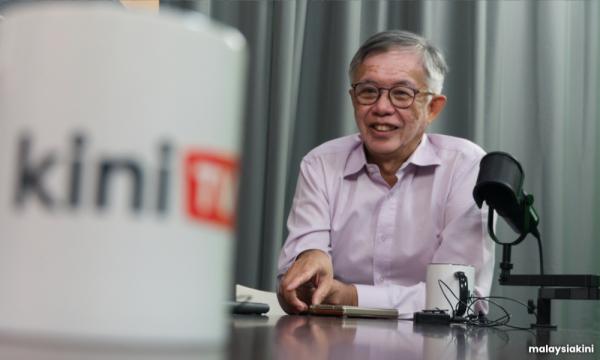
PKR vice-president Tian Chua has emphasised that acknowledging mistakes and broken promises should be considered part of the broader reform agenda facing the nation.
Tian Chua's comments suggest that admitting to governance shortfalls represents a form of institutional accountability rather than a failure of the reform process. His remarks come amid ongoing discussions about the implementation of reforms and their effectiveness in addressing public expectations.
The PKR leader stressed that responsibility for driving reforms cannot rest solely with the Prime Minister, indicating that the burden of reform implementation should be distributed across multiple levels of government and political leadership. This perspective suggests that systemic change requires collective effort from various stakeholders within the political system.
His statement reflects broader debates within Malaysian political circles about the pace and scope of reforms since the transition in government. The emphasis on accountability for unfulfilled commitments appears aimed at recalibrating public expectations while maintaining momentum for institutional change.