World · Singapore Bureau
Active lifestyles and social bonds key to healthy aging, experts say
Research suggests that regular physical activity and strong social connections play a vital role in helping older adults maintain strength and independence as they age. Seniors who prioritize exercise and community engagement are better positioned to avoid frailty-related complications.
LSN Singapore ·
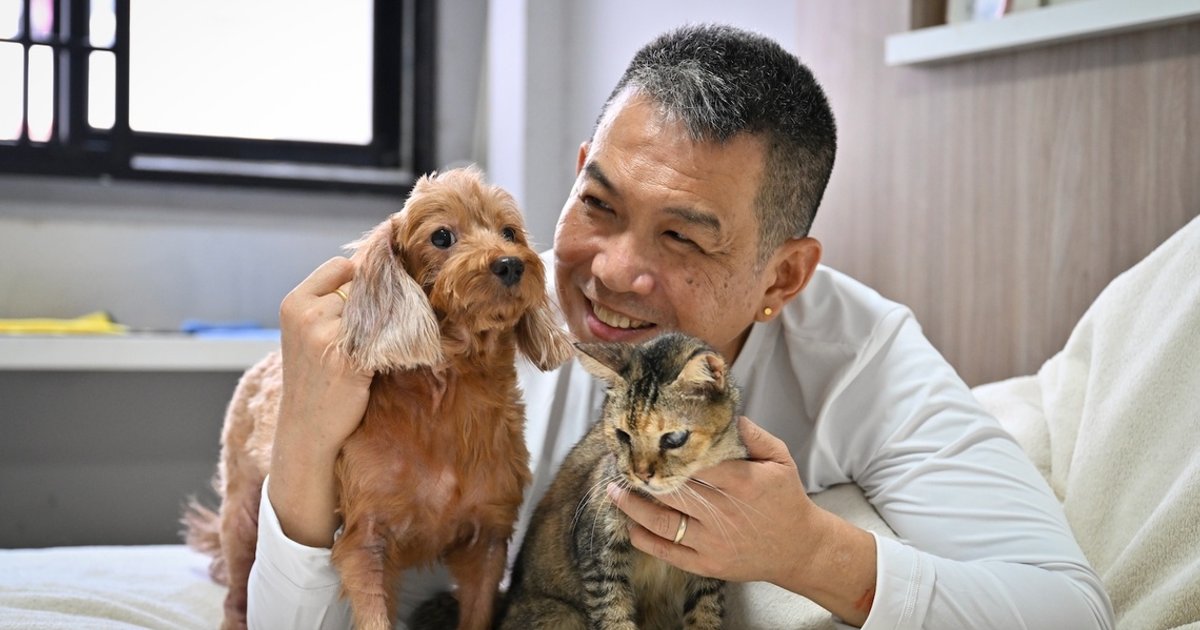
Gerontologists across South and Southeast Asia are increasingly emphasizing the importance of lifestyle factors in determining how well older adults age, with emerging evidence pointing to physical activity and social engagement as critical protective factors against frailty.
Frailty—a condition characterized by weakness, reduced mobility, and increased vulnerability to illness—has become a growing concern as populations in the region age rapidly. However, experts note that this decline is not inevitable. Seniors who maintain regular exercise routines and cultivate meaningful social relationships demonstrate significantly better physical resilience and quality of life compared to their sedentary, socially isolated counterparts.
The benefits of staying active extend beyond physical fitness. Regular movement helps preserve muscle mass, bone density, and cardiovascular health, while social connections provide cognitive stimulation and emotional support that contribute to overall wellbeing. Experts recommend that older adults engage in a combination of aerobic activity, strength training, and flexibility exercises, tailored to individual capabilities.
Healthcare providers in the region are increasingly advocating for community-based programs that combine exercise classes with social activities, recognizing that addressing both physical and social dimensions of health is essential for successful aging. Such initiatives have shown promise in helping seniors maintain independence and vitality well into their later years.