World · India Bureau
Activist Refuses Peace Bond Despite High Court Setback
Neha Bora has rejected signing a peace bond following an adverse court ruling, arguing that such instruments are being misused to suppress democratic dissent in India.
LSN India ·
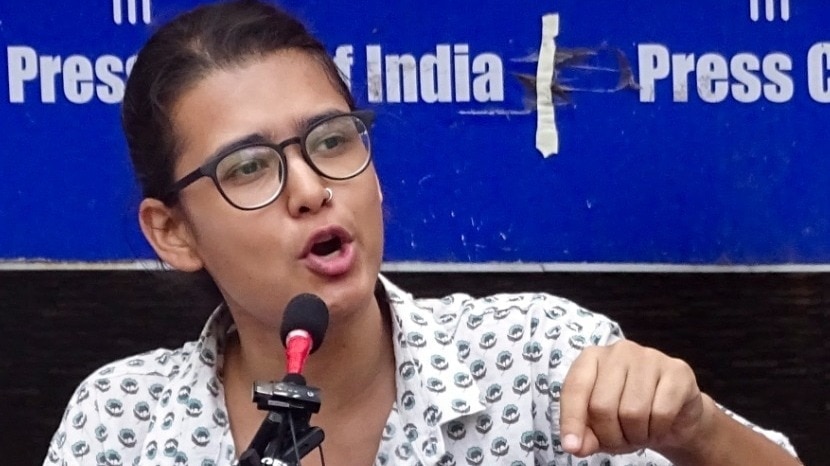
Neha Bora has refused to sign a peace bond despite facing legal pressure following a High Court decision against her, maintaining her principled stance on the matter. The activist's refusal marks a continued challenge to what she characterizes as an unjust legal mechanism.
Bora has criticized the peace bond as a tool designed to restrict fundamental democratic rights. She contends that invoking such bonds against peaceful protesters undermines the constitutional guarantees of freedom of expression and assembly.
"Signing the peace bond would effectively legitimize its use as an instrument to suppress legitimate democratic dissent," Bora stated, according to reports. She argues that the mechanism represents an erosion of civil liberties and sets a troubling precedent for curbing public protest.
The activist's defiance comes despite the High Court's ruling, indicating her resolve to challenge what she views as an overreach of state authority. Legal analysts note that peace bonds remain a contentious issue in Indian jurisprudence, with ongoing debates about their appropriateness in cases involving peaceful political activism.
Bora's stance reflects broader concerns among civil liberties advocates regarding the use of preventive detention measures and other legal instruments against political protesters and dissidents.