World · India Bureau
Actor Yash brings psychological depth to Ravana's conflicted nature in new Ramayana adaptation
A fresh interpretation of the Hindu epic presents Ravana's ten heads as manifestations of internal conflict rather than mythological features. Actor Yash's portrayal explores the antagonist's complex psychological state in the retelling.
LSN India ·
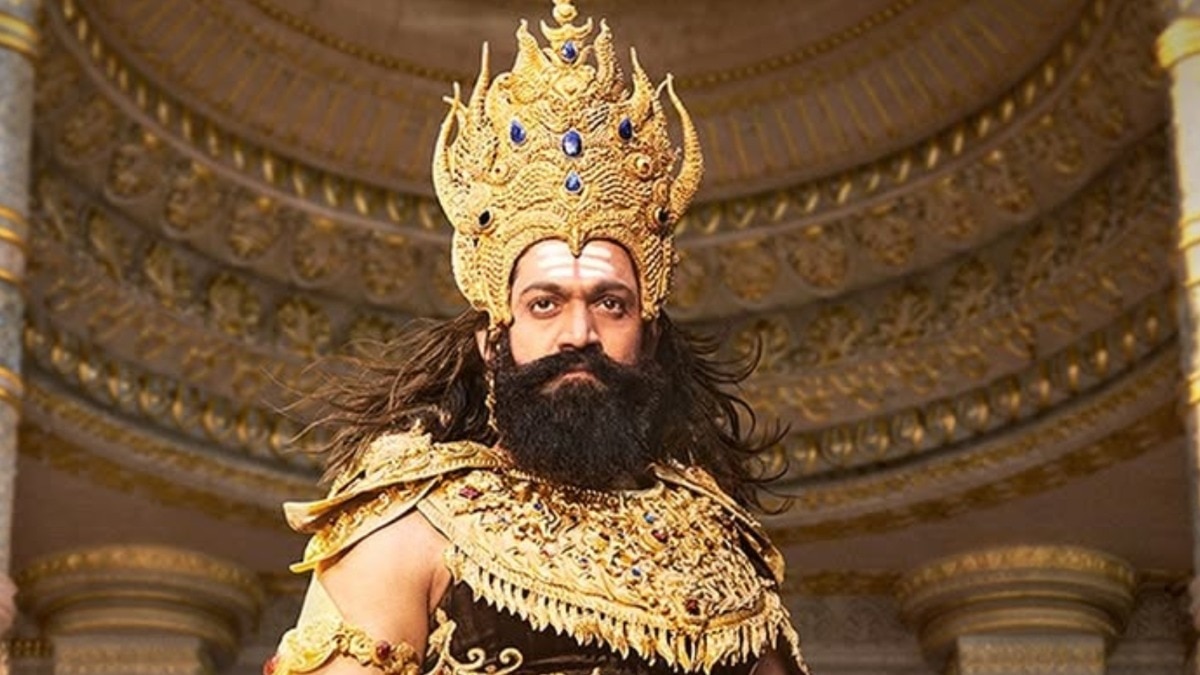
In a contemporary reinterpretation of the Ramayana, filmmaker and actor Yash has brought new dimension to one of Hindu mythology's most compelling villains by presenting Ravana's legendary ten heads as symbolic representations of internal psychological warfare rather than literal physical attributes.
The innovative approach transforms the traditional narrative, suggesting that Ravana's primary conflict lies not in his external battles with Rama, but in the warring ideologies, ambitions, and moral contradictions that exist within his own mind. Each of the ten heads represents distinct aspects of his personality—ambition, pride, intellect, desire, and other human flaws—locked in constant struggle for dominance.
This reframing allows for a more nuanced exploration of the antagonist's character, presenting him as a deeply conflicted figure rather than a one-dimensional villain. Yash's interpretation adds psychological depth to the epic narrative, inviting audiences to reconsider traditional interpretations of good and evil as they play out within the Ramayana.
The adaptation reflects a growing trend in Indian cinema and storytelling of revisiting classical epics through contemporary lenses, offering fresh perspectives on timeless narratives while maintaining respect for their cultural and spiritual significance. Such retellings have found increasing resonance with audiences seeking more complex character studies within familiar mythological frameworks.