World · India Bureau
Adilabad tribals tap forest resources for sustainable income generation
Tribal communities in Adilabad district are leveraging traditional forest-based practices to create new revenue streams and expand livelihood options. With backing from the district administration, these initiatives are enabling families to diversify income while empowering women entrepreneurs.
LSN India ·
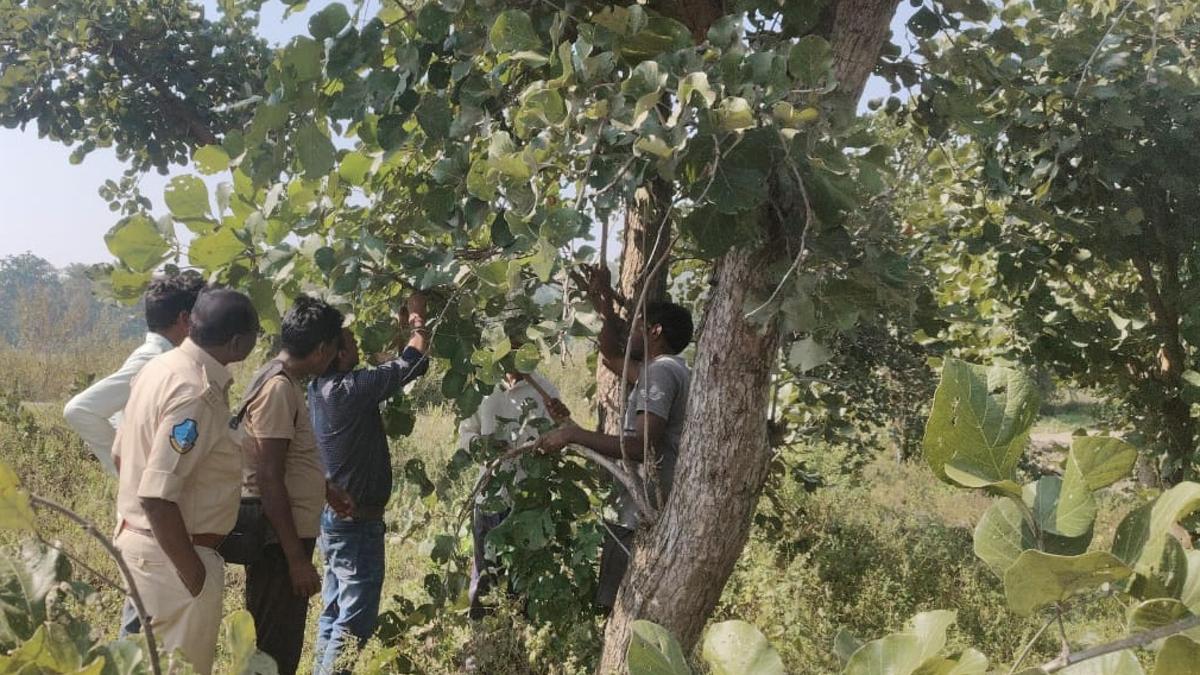
Tribal populations across Adilabad district are increasingly turning to value-added forest products to supplement their traditional livelihoods, marking a shift toward more sustainable income generation. Activities ranging from lac harvesting on Palash trees to processing Mahua flowers into traditional sweets demonstrate how communities are maximizing returns from forest resources they have utilized for generations.
The initiatives, facilitated through support from the district administration, are creating structured opportunities for income diversification beyond conventional forest-dependent activities. By processing raw forest materials into finished products, tribal families are capturing greater value along the supply chain while maintaining their connection to traditional practices and natural resources.
Particularly significant is the emergence of tribal women as proprietors of small-scale enterprises within their villages. The initiatives have enabled women to establish independent ventures centered on forest-based products, providing economic autonomy and contributing to household income stability. This shift reflects broader efforts to ensure equitable distribution of benefits from forest resource utilization across tribal communities.
The Adilabad model demonstrates how organized support for traditional forest-based livelihoods can generate sustainable economic opportunities while preserving indigenous knowledge systems. As these ventures establish themselves, they offer potential templates for similar interventions across forest-dependent regions in the broader South Asian context.