World · Singapore Bureau
Aesthetic injectables gain traction as self-care, raising questions on costs
Botox and dermal fillers are increasingly marketed as wellness tools and expressions of personal agency, particularly among women. However, experts and commentators are questioning whether normalising these procedures comes with hidden social and financial costs.
LSN Singapore ·
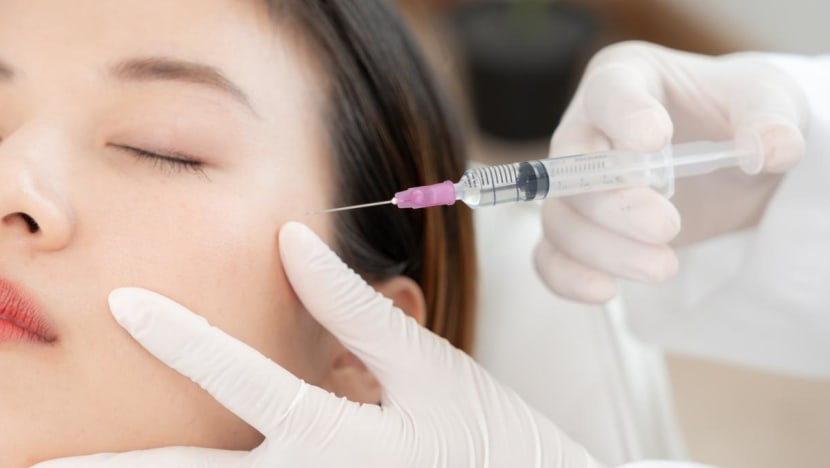
Aesthetic injectables have transitioned from niche cosmetic procedures to mainstream wellness practices, with proponents framing them as legitimate forms of self-improvement and empowerment. This shift reflects broader changes in how individuals, particularly women, approach personal care and self-presentation in contemporary society.
The rebranding of Botox and fillers as self-care tools rather than purely cosmetic interventions has expanded their appeal beyond traditional beauty-conscious demographics. Social media and celebrity endorsements have normalised these procedures, presenting them as routine maintenance akin to skincare or fitness routines. Advocates argue that access to such treatments represents female agency and the right to make autonomous decisions about one's appearance.
However, this normalisation raises significant concerns among medical professionals and social commentators. The financial implications are substantial, with treatments requiring ongoing maintenance and repeat procedures to sustain results. Critics argue that marketing injectables as self-care obscures the underlying pressures—both social and commercial—that drive demand for these interventions.
The sustainability of this trend also deserves scrutiny. Long-term effects of repeated injectables remain incompletely understood, and the psychological impact of becoming dependent on procedures for self-esteem warrants examination. As aesthetic medicine becomes increasingly commercialised, questions persist about whether normalising injectables truly represents empowerment or reflects deepening anxieties about ageing and appearance standards imposed on women.