World · World News Bureau
Afghan emerald miners brave harsh conditions to feed global demand
Despite primitive working conditions and basic equipment, miners in Afghanistan's Panjshir Valley continue to extract precious emeralds that command international market prices. The trade remains a vital economic lifeline for remote communities despite significant safety and infrastructure challenges.
LSN World News ·
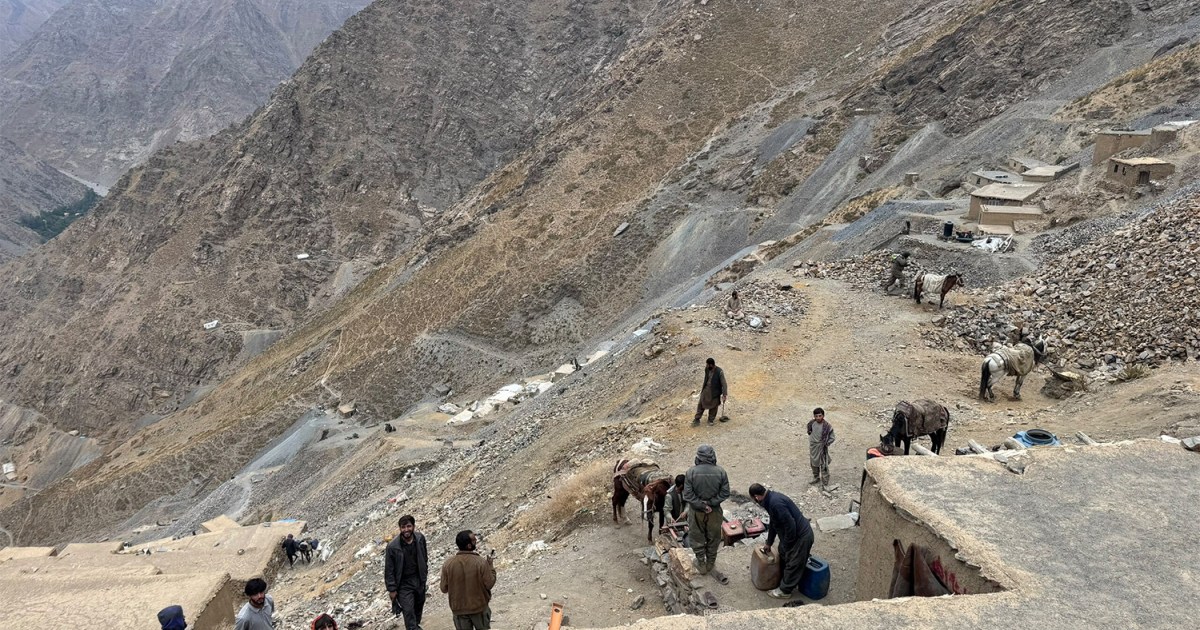
In the steep, rugged valleys of Panjshir province, Afghan miners descend into quarries armed with little more than hand tools and determination, extracting emeralds that eventually reach jewelry markets worldwide. The precious gemstones have long been prized by international buyers, yet the men who recover them work in conditions marked by minimal safety measures and reliance on methods largely unchanged for generations.
The emerald trade represents one of Afghanistan's significant natural resource sectors, with Panjshir's deposits among the world's most productive. However, miners face formidable obstacles, including unstable terrain, lack of modern extraction equipment, and limited access to capital for operational improvements. Many operations remain small-scale and family-run, relying on basic picks, hammers, and manual labor to access gem-bearing rock.
Despite these constraints, the emeralds produced command strong prices on global markets, attracting buyers from across Europe, Asia, and North America. The stones' quality and distinctive characteristics have established Afghanistan as a notable source in the international gemstone trade. Yet the economic benefits remain unevenly distributed, with miners themselves typically capturing only a fraction of the final value as middlemen and traders take substantial margins.
The sector's future remains uncertain amid Afghanistan's broader economic and political challenges. Improving working conditions and establishing more direct market access for local miners could enhance returns for communities dependent on this trade, though infrastructural and security obstacles continue to constrain development of the industry.