World · World News Bureau
Africa's Energy Paradox: Vast Resources, 560 Million Without Power
Despite being endowed with substantial energy reserves, Africa faces a critical electricity access crisis, with over half a billion people lacking reliable power supply. The continent accounts for the largest share of the global population living without electricity.
LSN World News ·
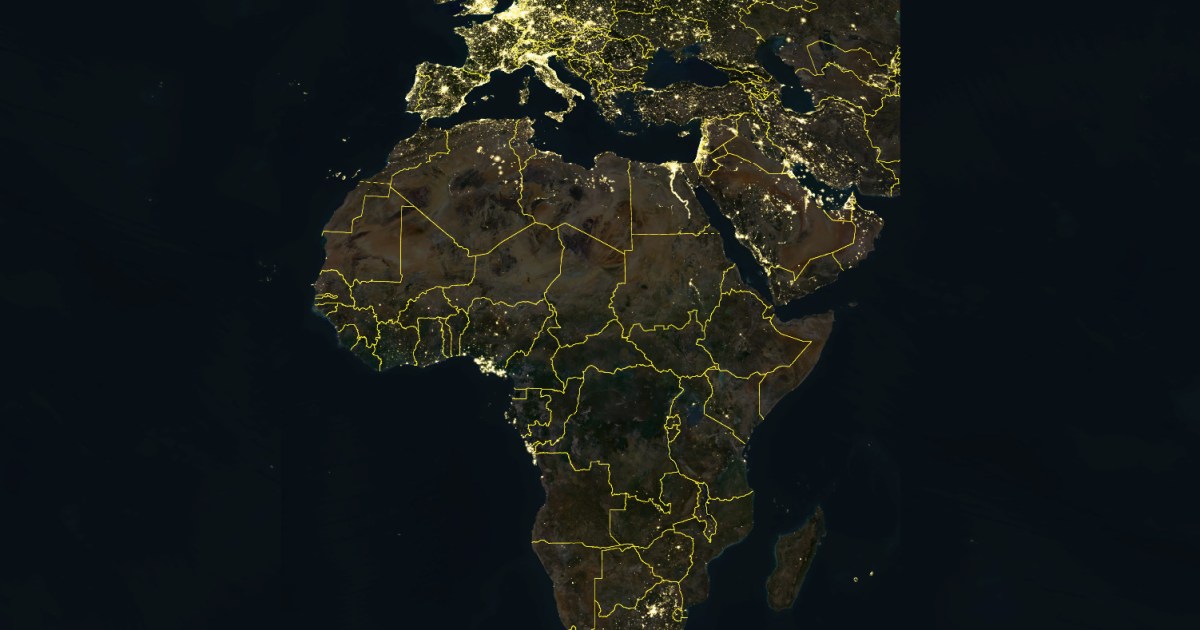
Africa possesses considerable energy resources spanning hydroelectric potential, fossil fuels, and renewable energy sources, yet paradoxically remains home to the world's largest concentration of people without access to electricity. Approximately 560 million Africans live without reliable power, a figure that underscores a profound disconnect between the continent's natural wealth and its ability to harness these resources for widespread development.
The energy access gap reflects multiple systemic challenges, including insufficient infrastructure investment, inadequate grid expansion in rural areas, and limited capital for power generation projects. Many African nations struggle to convert their abundant natural resources into functioning electricity systems that reach dispersed populations across vast geographical areas.
Electricity access remains fundamental to economic development, healthcare delivery, education, and poverty alleviation. The persistent energy deficit constrains industrial growth and limits opportunities for millions of Africans to participate in the digital economy.
Addressing this disparity requires coordinated efforts to develop domestic energy resources, attract international investment in power infrastructure, and establish regulatory frameworks that facilitate grid expansion. Several African countries are increasingly exploring renewable energy solutions to supplement traditional sources and accelerate electrification initiatives across underserved regions.