World · World News Bureau
African nations push for permanent UN Security Council seats
Africa's decades-long campaign for greater representation on the UN Security Council faces continued gridlock at the General Assembly, with key powers resisting demands for permanent membership and veto authority.
LSN World News ·
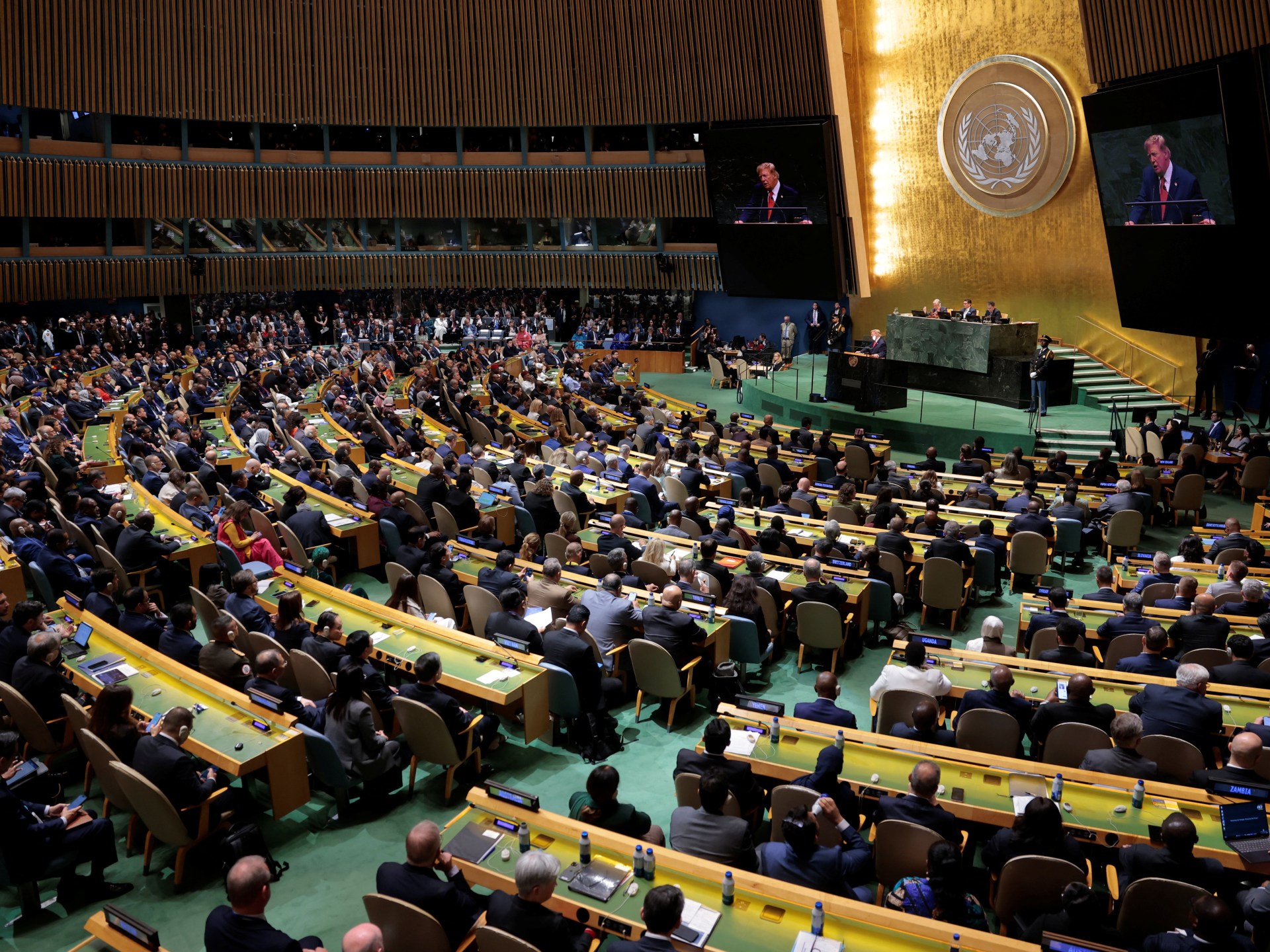
African nations renewed their call for permanent seats on the United Nations Security Council during the 81st session of the General Assembly, highlighting the continent's persistent underrepresentation in global security decision-making. The push reflects Africa's growing economic and political influence, yet negotiations remain deadlocked over fundamental questions about reforming the body's composition and voting powers.
The African Union has long argued that the Security Council's structure, largely unchanged since 1965, fails to reflect contemporary geopolitical realities. With 54 African nations comprising nearly a quarter of UN membership, the continent currently holds only one non-permanent rotating seat, limiting its voice on international peace and security matters.
However, Africa's ambitions for permanent membership with veto power have encountered strong resistance from established powers and competing reform proposals. Other nations and regional blocs, including India, Brazil, and Mexico, have advanced alternative plans that would expand the Council without granting new veto rights. These competing visions have prevented consensus on any comprehensive reform package.
Diplomats acknowledge that substantive change requires the agreement of all five permanent members—the United States, China, Russia, France, and Britain—a consensus that remains elusive. The debate underscores broader tensions within the international system about representation, power distribution, and the future direction of global governance. Without breakthrough negotiations, Africa's Security Council aspirations are likely to remain unresolved for the foreseeable future.