World · Malaysia Bureau
After nearly two decades in Guantanamo, detainee faces long road to freedom
For Nazir Lep, release from detention represents far more than the absence of prison walls. The challenge now lies in rebuilding a life frozen in time by nearly 20 years of captivity.
LSN Malaysia ·
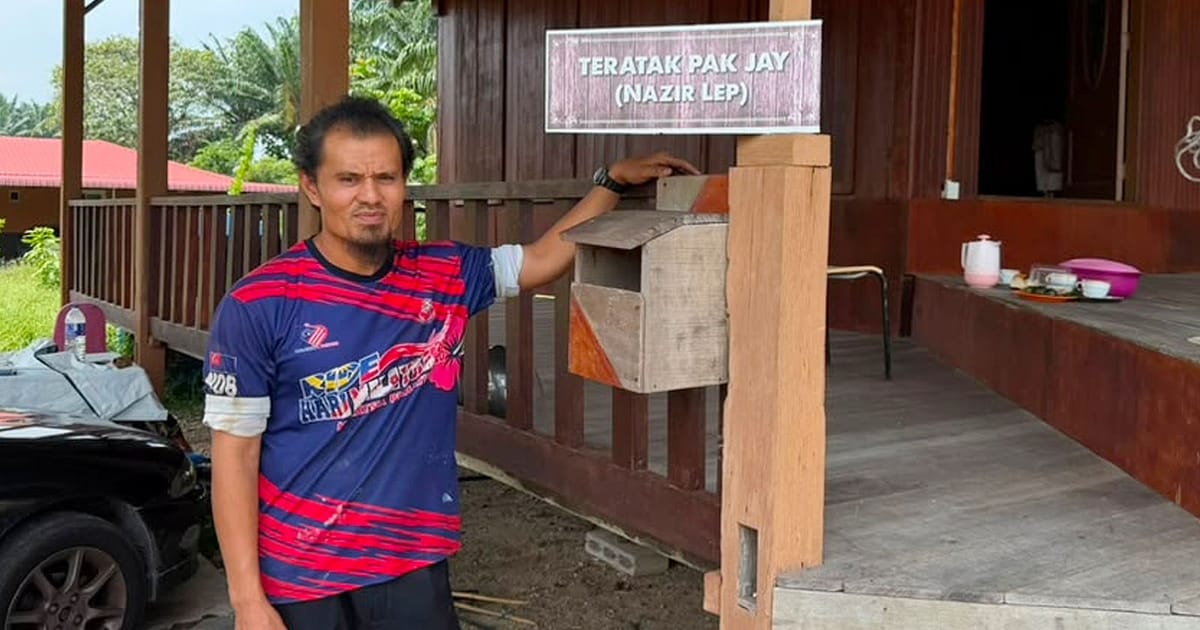
Nazir Lep's journey toward reintegration into society marks a difficult transition following his release from the United States detention facility at Guantanamo Bay, where he spent nearly two decades. The pathway to genuine freedom extends well beyond the physical act of leaving imprisonment, presenting substantial obstacles as he attempts to reconstruct a life interrupted by prolonged detention.
For individuals who have spent extended periods in custody, the psychological and practical dimensions of freedom present unique challenges. Lep must navigate not only the emotional aftermath of long-term detention but also the practical realities of rebuilding social connections, finding employment, and adjusting to a world that has undergone significant changes during his absence.
The experience reflects broader challenges faced by detainees released from long-term custody, where institutional life has created dependencies and separation from normal societal functions. Mental health support, vocational training, and community reintegration programmes become essential components in facilitating the transition from captivity to civilian life.
Lep's case underscores the lasting impact of extended detention on individuals, where the end of physical confinement marks merely the beginning of a far more complex process of recovery and reestablishment. The true meaning of freedom, for those who have spent nearly two decades behind bars, encompasses far more than the removal of external constraints.