World · India Bureau
Aggressive Fish Management Restores Native Species to American Lake
A decade-long initiative combining commercial netting and angler incentives has successfully reversed the ecological damage caused by invasive lake trout populations. The programme has triggered a dramatic recovery of native fish species and reshaped the broader ecosystem.
LSN India ·
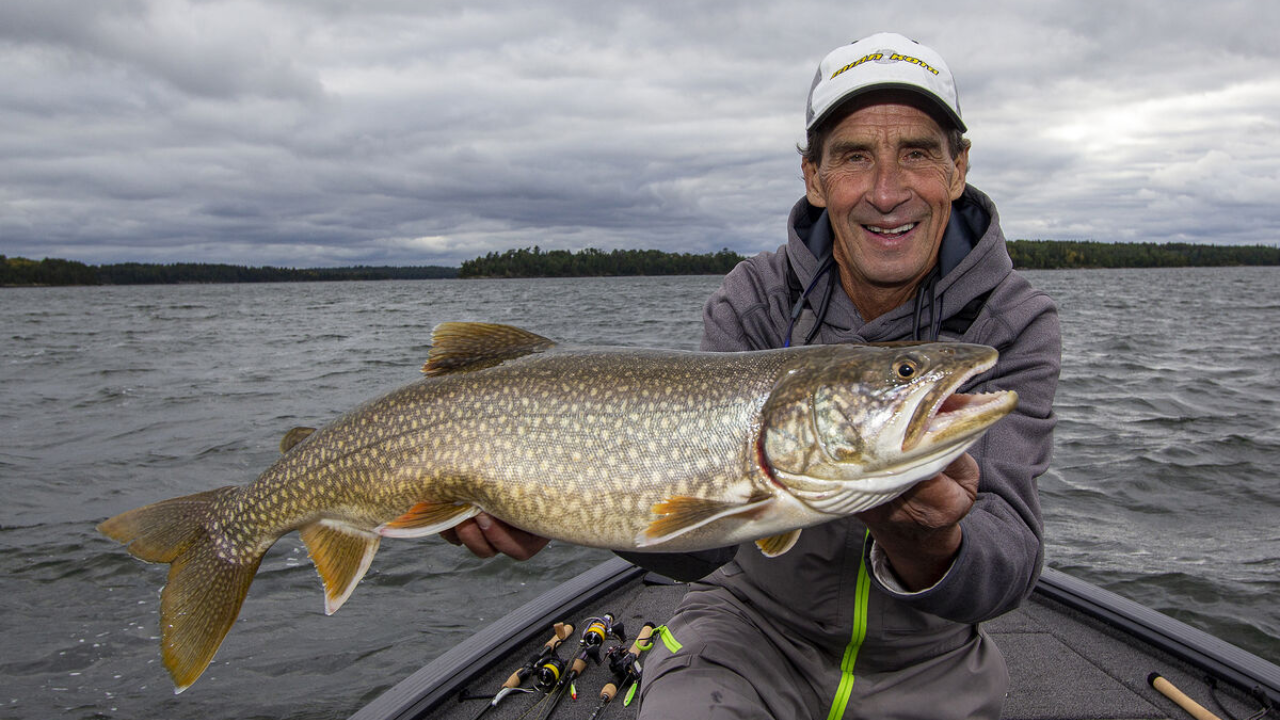
A comprehensive management strategy launched in 2006 has fundamentally transformed the ecological balance of a major American lake by systematically reducing invasive lake trout populations. The dual-pronged approach employed commercial netting operations alongside financial incentives for recreational anglers, creating sustained pressure on the non-native species that had threatened native fish communities.
The results have exceeded expectations. Within a decade, native species including rainbow trout and sockeye salmon have made a remarkable comeback. Hydroacoustic surveys—which use sound waves to assess fish populations underwater—detected kokanee densities not recorded since the 1970s, indicating one of the most significant recoveries in the lake's recent history.
The resurgence of kokanee, a landlocked salmon species, has proven particularly consequential. As kokanee populations have rebounded, they have begun reshaping the broader aquatic ecosystem. These fish serve as a crucial food source for other species and play a vital role in nutrient cycling within the lake system.
The initiative demonstrates how targeted intervention combining commercial and recreational fishing can effectively manage invasive species while restoring native populations. Wildlife managers point to the programme as a model for similar ecological restoration efforts facing invasive fish populations in freshwater systems worldwide.