World · India Bureau
Aging pipelines threaten water supply capacity in Kochi
A comprehensive assessment of Kerala Water Authority infrastructure has revealed widespread pipeline deterioration across several Kochi localities, raising concerns about the city's water distribution capacity. The findings suggest urgent intervention may be needed to maintain reliable service to residents.
LSN India ·
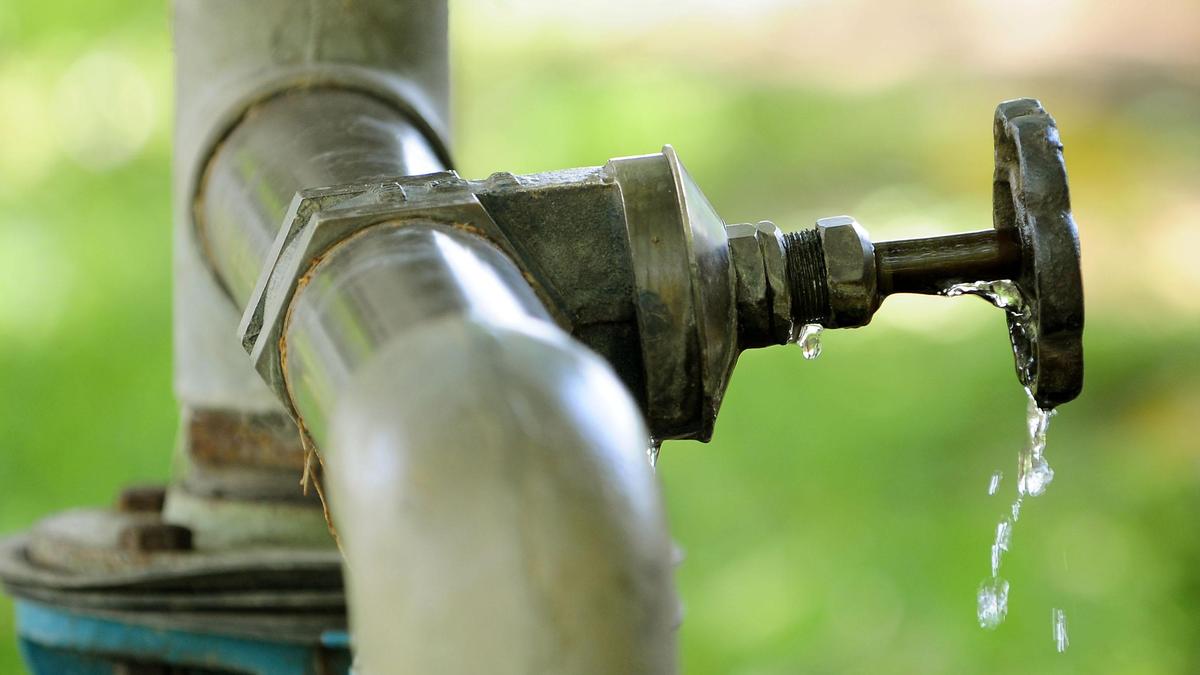
An independent technical study commissioned by the Kerala Water Authority has identified significant degradation in water supply pipelines serving multiple areas of Kochi, threatening the system's ability to deliver adequate water to consumers. The assessment, conducted by international infrastructure specialist SUEZ, examined the structural condition of pipes across the distribution network and documented the accumulation of sediment within aged conduits.
The deterioration documented in the study points to problems common in aging water infrastructure across India, where decades-old pipelines often suffer from mineral buildup, corrosion, and structural weakness. Such conditions directly reduce the effective carrying capacity of pipes, forcing authorities to operate systems below design efficiency even as demand for water continues to rise.
Kerala Water Authority officials have yet to announce a formal response to the findings or details of any planned remediation efforts. The study's conclusions arrive as Kochi grapples with growing water demand from its expanding population and commercial sectors, compounding the challenges posed by infrastructure limitations.
Experts have long highlighted the need for systematic pipeline renewal programs across Indian cities to address similar aging infrastructure issues. Without intervention, water supply systems risk not only reduced capacity but also increased non-revenue water loss through leakage, further straining already stretched municipal resources.