Culture & Entertainment · World News Bureau
Agricultural modernization threatens Africa's traditional crop diversity
Efforts to boost agricultural productivity through large-scale monoculture farming are undermining cultivation of nutrient-dense traditional crops better suited to Africa's climate challenges, experts warn.
LSN World News ·
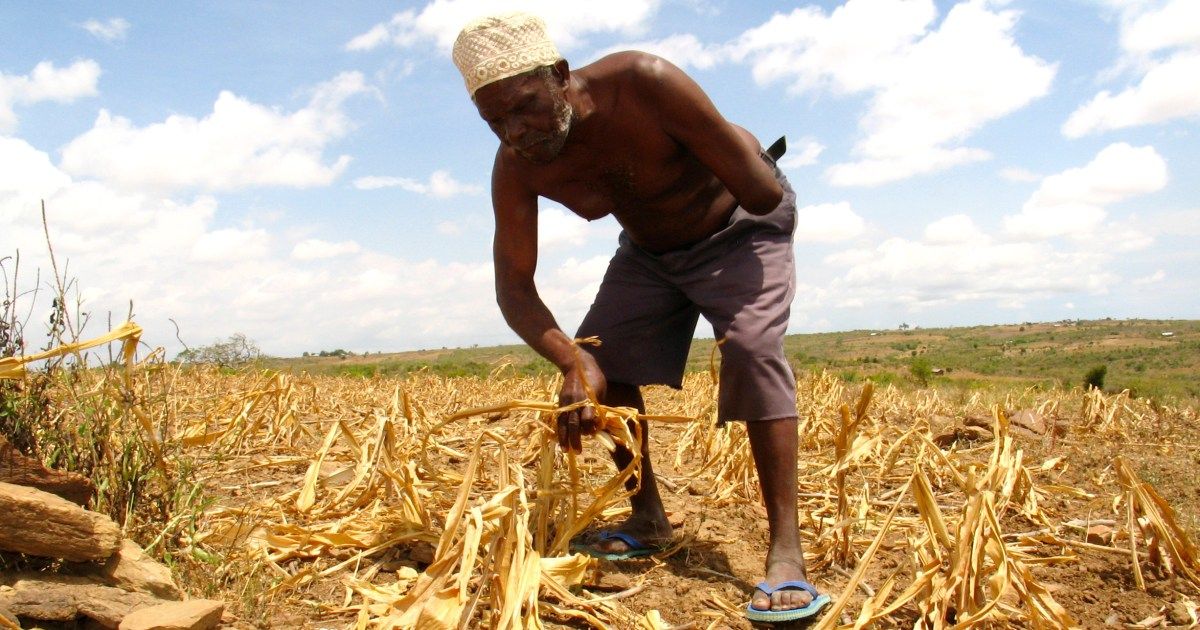
A shift toward intensive monoculture farming across Africa is eroding decades of agricultural knowledge and reducing cultivation of indigenous crops that offer superior nutritional value and climate resilience, agricultural researchers say.
Promotional campaigns for modern farming techniques and high-yield commercial crops have encouraged farmers to abandon traditional staples in favor of monocultures, creating vulnerabilities in food systems that once relied on crop diversity. These indigenous varieties, cultivated over generations, demonstrate greater resistance to drought, pests, and soil degradation—traits increasingly valuable as climate patterns become more unpredictable.
Traditional African crops including sorghum, millet, teff, and various legume varieties contain higher concentrations of minerals, proteins, and micronutrients compared to widely promoted alternatives. Yet investment in research, infrastructure, and market development has predominantly favored conventional crops, marginalizing traditional agriculture despite its potential benefits.
The consolidation of farming practices threatens food security across the continent, according to agricultural development organizations. Reversing this trend requires renewed investment in traditional crop research, improved market access for farmers growing indigenous varieties, and agricultural policies that recognize both the nutritional and environmental advantages of crop diversity.
Some regions have begun documenting and promoting traditional crops as part of broader food security and climate adaptation strategies, signaling potential momentum toward more balanced agricultural development.