Politics · India Bureau
Agrivoltaics on 10% of suitable land can power India by 2050: Joshi
India's renewable energy minister said agrivoltaics — combining solar power generation with agriculture — could meet the nation's entire electricity demand by 2050 if deployed across just 10% of suitable land. The government is integrating the technology into its flagship solar scheme.
LSN India ·
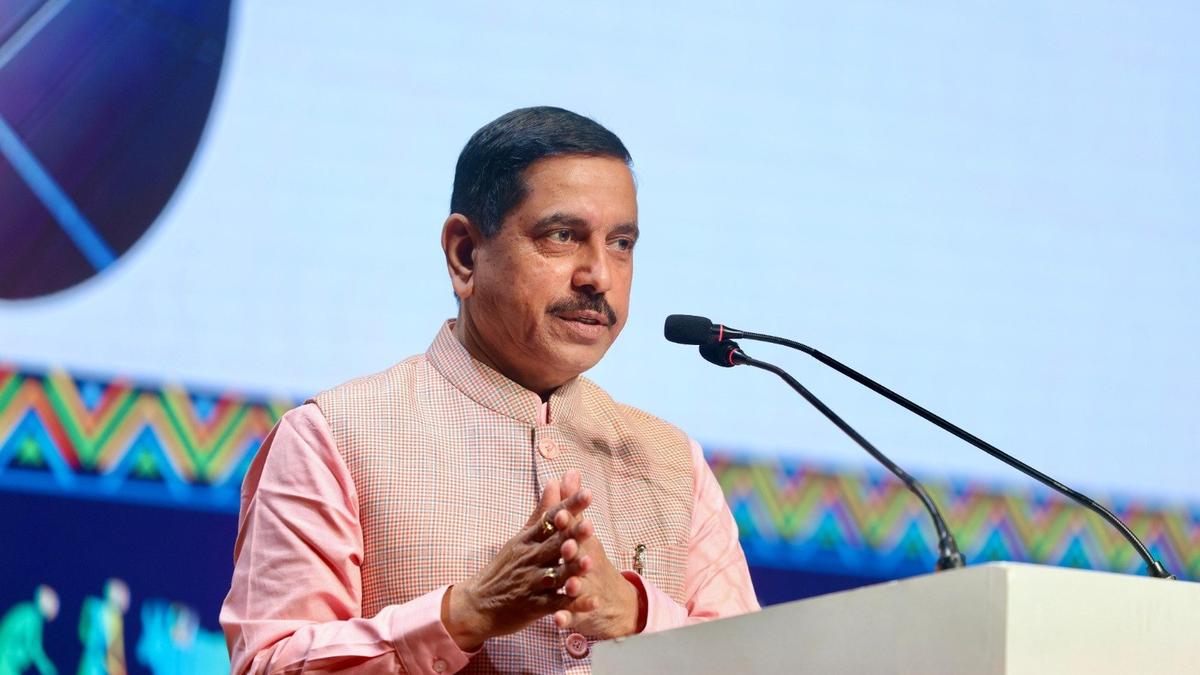
Union Minister for New and Renewable Energy Pralhad Joshi said India's power requirements in 2050 could be fully met through agrivoltaic systems installed on approximately 10% of land suitable for such dual-use applications.
Agrivoltaics involves mounting solar panels on agricultural land, allowing farmers to continue cultivation beneath or between the structures while generating electricity. The approach offers potential dual benefits of food and energy security while optimizing land utilization — a critical consideration for a densely populated nation with competing land demands.
Joshi indicated the government is moving to formalize support for the technology by incorporating a dedicated agrivoltaics component into the second phase of PM-KUSUM (Pradhan Mantri Kisan Urja Suraksha evam Utthaan Mahaabhiyan), India's flagship solar scheme aimed at promoting renewable energy adoption among farmers.
The inclusion in PM-KUSUM's next phase suggests the government views agrivoltaics as a scalable solution for expanding renewable energy capacity while supporting rural livelihoods. The scheme currently focuses on solar power generation and agricultural pump electrification, with the agrivoltaics component expected to enhance farmer participation and income diversification.