World · India Bureau
Ahoi Ashtami Fast Observance Seeks Blessings for Child Welfare
Observed primarily by mothers across India, the Ahoi Ashtami fast is believed to ensure the longevity and prosperity of children. Devotees traditionally recite sacred narratives on this auspicious day to invoke maternal blessings.
LSN India ·
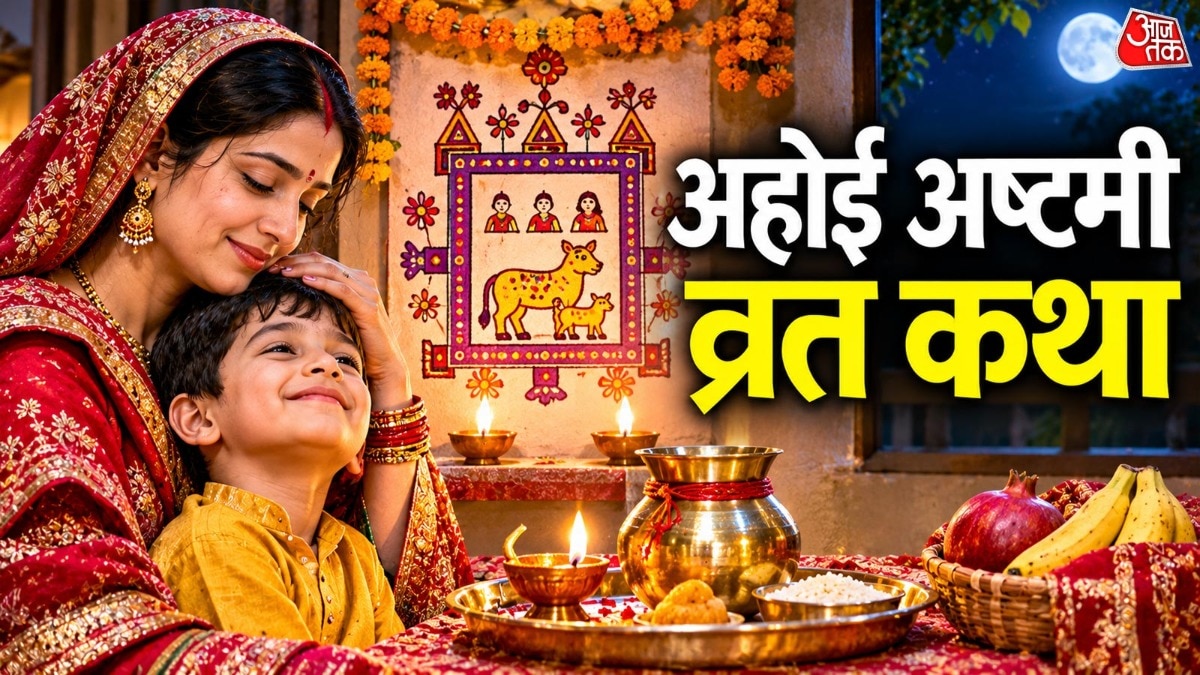
Ahoi Ashtami, observed in the Hindu calendar during the Krishna Paksha (waning moon phase) of the month of Kartik, holds significant cultural importance for families seeking child welfare and well-being. The fast is primarily undertaken by mothers who observe stringent ritualistic practices throughout the day.
According to traditional beliefs, reciting the Ahoi Mata vrat katha (sacred narrative) with devotion on this day is said to secure the blessings of the deity for the long life and happiness of one's children. The observance emphasizes the spiritual connection between the devotee and the divine mother figure.
The ritual typically involves fasting, worship, and the ritualistic narration of the vrat katha, which forms the spiritual core of the observance. Devotees often seek auspicious timings for performing these rituals to maximize their spiritual efficacy.
The practice reflects deeply ingrained cultural traditions across Indian households, particularly in northern and central regions, where maternal devotion and child welfare occupy central positions in family-oriented observances. Communities continue to observe this fast as part of their annual religious calendar, maintaining generational continuity of these time-honored traditions.