World · India Bureau
Ahoi Ashtami: Guide to worshipping the goddess for child welfare
Ahoi Ashtami, a significant Hindu observance dedicated to maternal blessings and child longevity, is marked by women fasting and performing rituals to honour the deity. The festival culminates with offerings to the stars in the evening.
LSN India ·
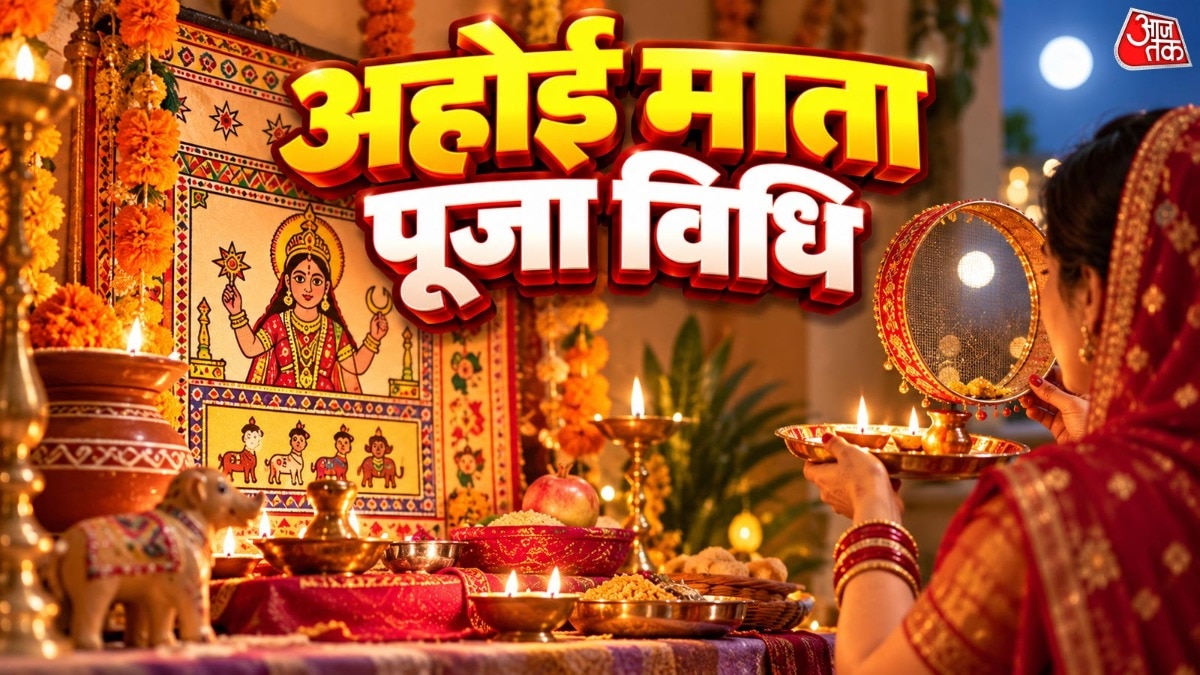
Ahoi Ashtami is an important festival observed primarily by mothers and women across India, centred on prayers for the long life and prosperity of children. The fast associated with this day is undertaken with the belief that it ensures the wellbeing and happiness of one's offspring. The observance holds deep cultural significance in Hindu traditions, particularly in North India.
The ritual of Ahoi Ashtami involves the worship of Ahoi Mata, the presiding deity believed to bless children with good health and longevity. Women typically begin their preparations by cleaning their homes and creating a sacred space for worship. The puja typically includes offerings of flowers, incense, and traditional sweets prepared for the occasion.
The most distinctive element of the Ahoi Ashtami celebration occurs in the evening, when women perform the ritual of offering water to the stars. This practice, known as 'taarों को arghya dena', is considered the culmination of the day's observance and marks the breaking of the fast. The timing of this ritual is determined by astronomical calculations, with specific auspicious hours identified for the ceremony.
For those observing the fast, specific rituals and procedures are recommended to ensure proper completion of the vow. Women often gather together to perform the puja collectively, sharing the spiritual significance of the day. The practice remains an integral part of Indian cultural and religious traditions, passed down through generations as a symbol of maternal devotion and child welfare.