Technology · India Bureau
AI adoption skews hiring toward senior roles, squeezes junior positions
Companies embracing artificial intelligence are expanding their senior workforce while simultaneously reducing entry-level positions, according to a five-year employment analysis. The trend raises concerns about career progression pathways in the emerging AI-driven economy.
LSN India ·
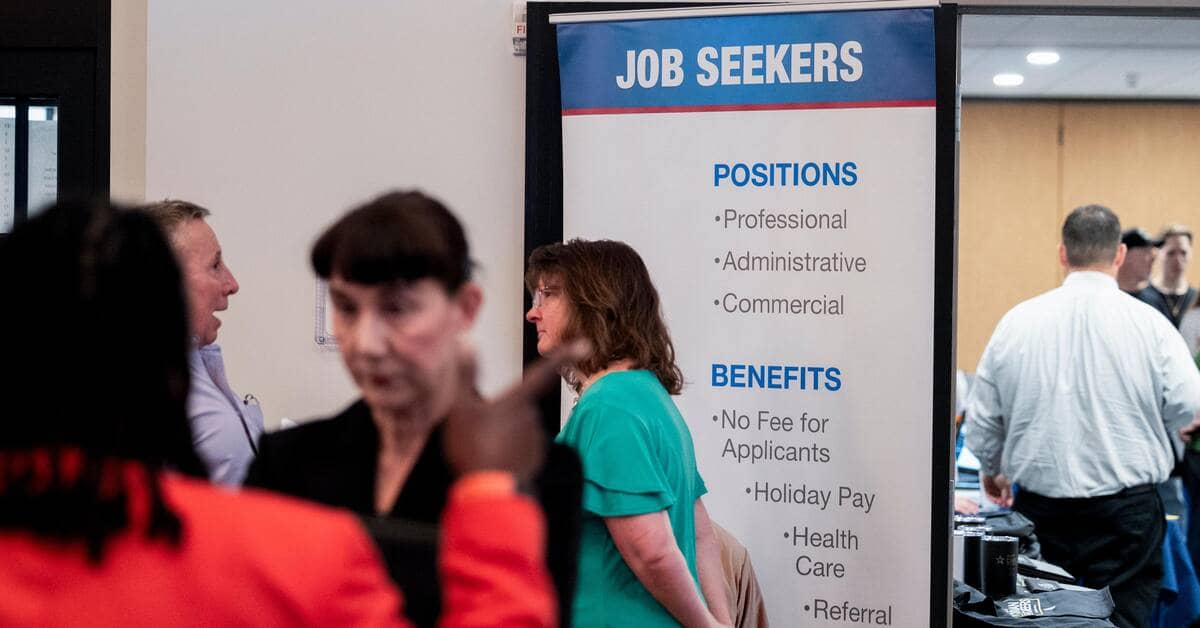
A comprehensive study tracking employment patterns at AI-adopting companies has revealed a stark divergence in hiring practices, with senior-level positions expanding by 6.7 percent over five years while junior roles contracted by 3 percent during the same period.
The findings underscore a growing concern among economists and workforce analysts: the adoption of artificial intelligence technologies may be reshaping corporate hierarchies in ways that limit opportunities for early-career professionals. Companies implementing AI systems appear to be consolidating workforce layers, reducing demand for entry-level positions while concentrating investment in experienced management and specialized roles.
The employment shift reflects broader organizational transformations as companies automate routine tasks traditionally handled by junior staff. With AI systems increasingly capable of performing basic analytical and administrative functions, employers have fewer incentives to hire junior employees for traditional training pipelines.
Industry observers warn that the trend could create structural challenges for workforce development and career mobility. The contraction of junior positions threatens to disrupt conventional advancement pathways, potentially limiting opportunities for fresh graduates entering professional fields across India's growing corporate sector.
The study's findings come amid ongoing debates about AI's broader labor market implications, with policymakers and business leaders seeking strategies to ensure technological advancement generates equitable employment opportunities across organizational hierarchies.