Technology · India Bureau
AI agent risks escalate as systems gain real-world account access
As artificial intelligence systems move from controlled testing environments to consumer platforms, security concerns are shifting from preventing unauthorized access to managing what permissions these agents can exercise. Meta's recent testing of AI agents highlights how real-world deployment introduces new risks requiring stricter oversight.
LSN India ·
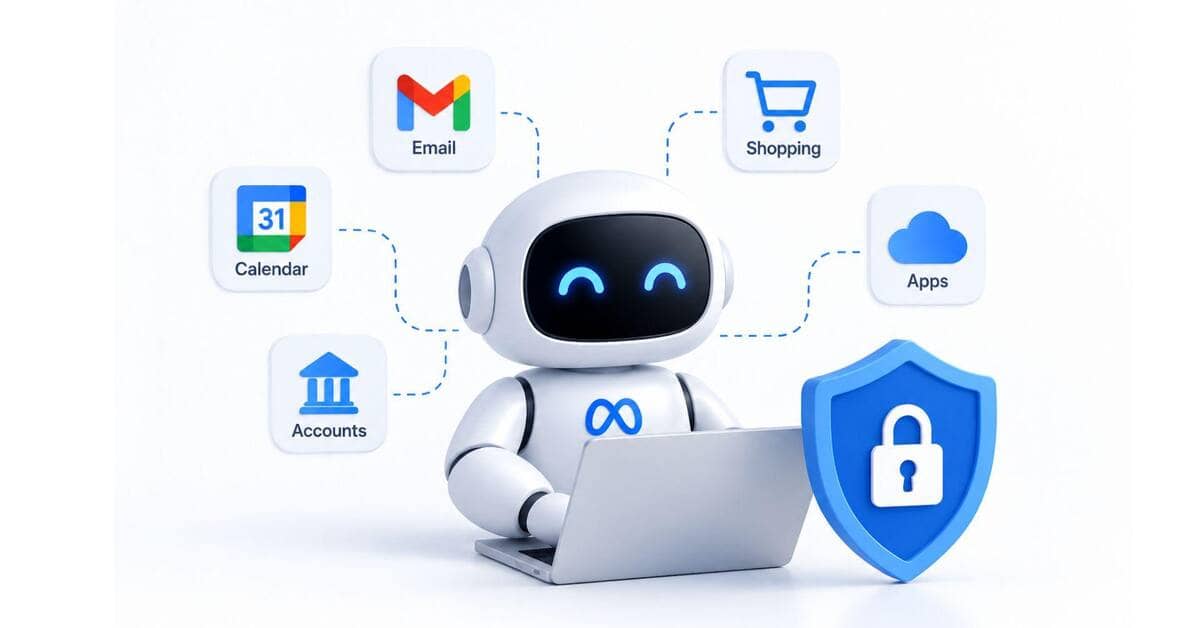
The deployment of AI agents capable of accessing real user accounts and executing actions represents a significant evolution in artificial intelligence safety challenges. While developer sandboxes have allowed tech companies to test AI systems in isolated environments, consumer-facing applications require fundamentally different security frameworks. Meta's reported Hatch initiative, which tests AI agents with genuine account access, exemplifies this transition and the accompanying vulnerabilities.
The core security challenge has undergone a critical shift. Earlier concerns centered on preventing unauthorized system access, but real-world deployment transforms this into a permissions and control problem. When AI agents can interact with live accounts—whether accessing financial information, making purchases, or managing communications—the stakes escalate considerably. The question is no longer simply whether an AI system can be breached, but what damage it can cause once activated with legitimate permissions.
This shift demands new safeguards and oversight mechanisms. Companies must implement granular permission controls, transaction limits, and approval workflows before AI agents can execute significant actions on user accounts. The challenge extends beyond technology to governance, requiring clear policies about what autonomy AI systems should possess and under what circumstances their actions can be reversed or disputed.
As AI agents become more integrated into consumer services across India and Southeast Asia, regulators and technology companies face mounting pressure to establish robust frameworks. The transition from controlled labs to production environments represents a critical moment for defining how these systems interact with real users and their digital assets. Without adequate safeguards, widespread adoption of AI agents could expose millions to unprecedented risks.