Technology · India Bureau
AI Automation Raises Questions Over Career Progression in Tech Sector
As technology companies increasingly deploy artificial intelligence to handle junior-level work, industry observers are questioning whether emerging professionals will have adequate opportunities to develop skills needed for senior roles. The concern highlights a potential structural challenge in tech talent development.
LSN India ·
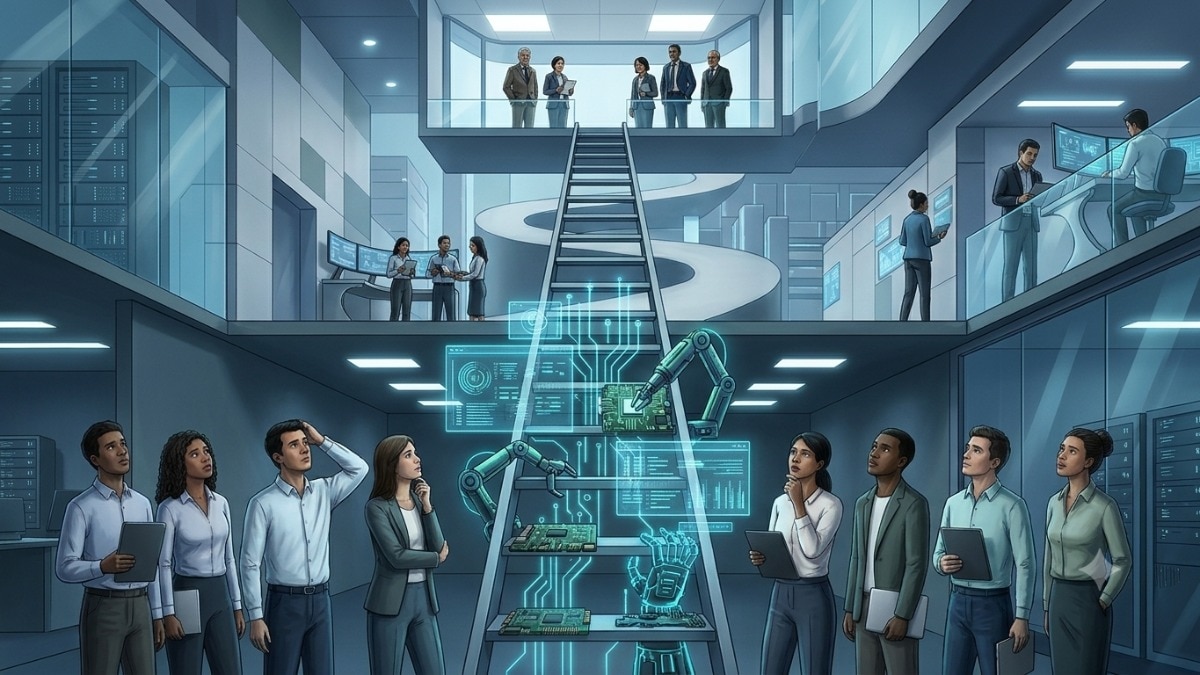
The rapid adoption of AI systems to automate routine tasks typically performed by junior employees has triggered growing apprehension within India's technology sector about long-term career pathways. With artificial intelligence handling foundational work—from coding and testing to documentation and routine problem-solving—there is diminishing opportunity for entry-level professionals to gain practical experience essential for advancement.
This automation trend, accelerated by major technology companies integrating AI tools into their operations, creates a paradox for workforce development. Junior positions have traditionally served as training grounds where new professionals build expertise, learn industry practices, and develop mentoring relationships with senior colleagues. As these roles are increasingly displaced or reduced, questions arise about how organizations will cultivate the next generation of experienced technical leaders.
Industry experts warn that companies risk creating a talent pipeline gap if they fail to establish alternative learning mechanisms. The challenge is particularly acute in India's competitive tech employment market, where junior roles have been crucial entry points for fresh graduates and career-changers. Without viable pathways for skill development, the sector may face a future shortage of qualified senior professionals capable of handling complex projects and mentoring others.
Some organizations are beginning to explore hybrid approaches, redesigning junior roles to focus on AI oversight, project management, and strategic problem-solving rather than routine technical tasks. However, widespread adoption of such models remains limited, leaving the broader industry grappling with how to balance automation benefits with workforce sustainability and career development imperatives.