Technology · India Bureau
AI Automation Raises Questions Over Career Progression in Tech Sector
As artificial intelligence takes on routine tasks across the technology industry, workers are questioning how career advancement will function when junior staff no longer need senior mentorship. The concern has intensified following Microsoft's recent decision to offer buyouts to approximately 60,000 employees.
LSN India ·
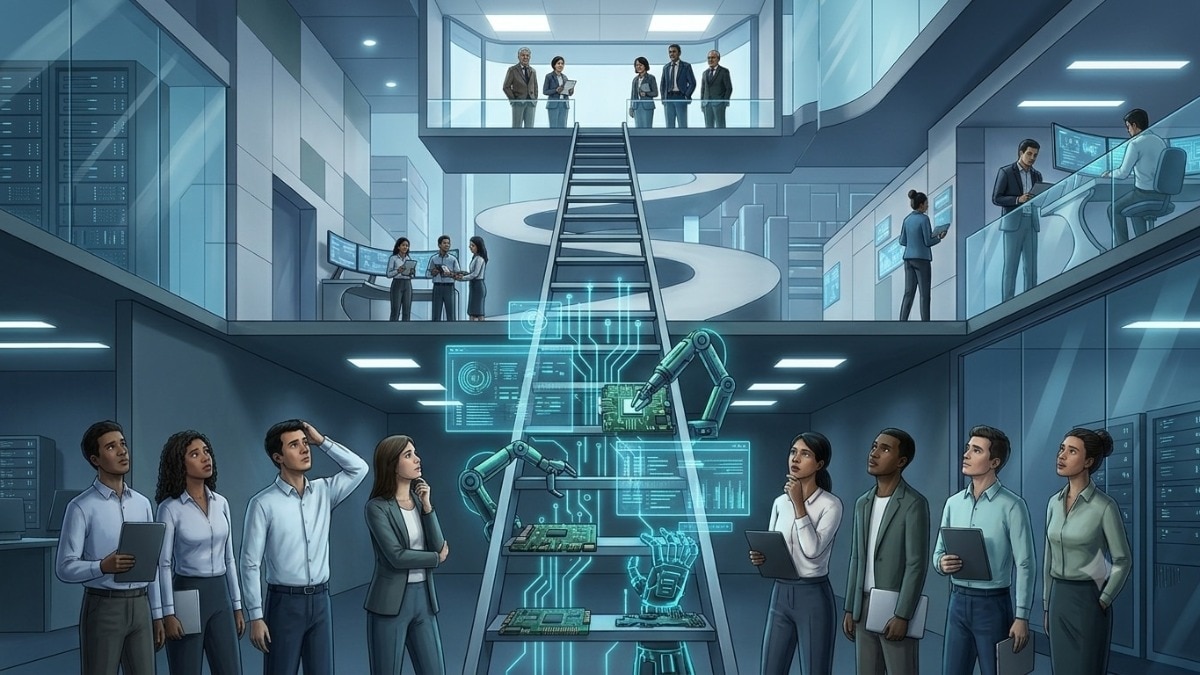
The traditional model of career progression in technology companies—where junior employees seek guidance from senior colleagues to resolve workplace challenges—faces fundamental disruption as AI capabilities expand, industry analysts and employees warn. This shift has sparked concern among professionals about how seniority will be valued and rewarded when automation can handle an increasing share of technical responsibilities.
The worry gained particular prominence following Microsoft's announcement of a voluntary separation program affecting roughly 60,000 workers globally. The buyout offer has prompted broader reflection across the sector about how organizational hierarchies will evolve when artificial intelligence performs tasks that traditionally provided learning opportunities for less experienced staff.
Careers in technology have historically progressed through a structured pathway: junior professionals working under senior supervision, gradually building expertise through problem-solving alongside more experienced colleagues. However, as AI systems become capable of handling debugging, code review, and technical troubleshooting—tasks that formed the backbone of mentorship relationships—questions have emerged about what distinguishes a senior professional from a junior one.
The issue reflects a broader challenge facing the global technology industry as companies grapple with how to structure teams, maintain institutional knowledge, and retain talent in an era of rapid automation. Industry observers suggest that companies may need to redefine seniority and advancement criteria to focus on skills that remain uniquely human, including strategic decision-making, team leadership, and complex problem conception rather than execution.