Technology · India Bureau
AI boom poised to generate 617 million tonnes of e-waste by 2050
The rapid expansion of artificial intelligence infrastructure is creating a mounting environmental crisis, with servers and data centres generating unprecedented quantities of electronic waste. Experts warn that discarded hardware from AI systems could reach hundreds of millions of tonnes within the next three decades.
LSN India ·
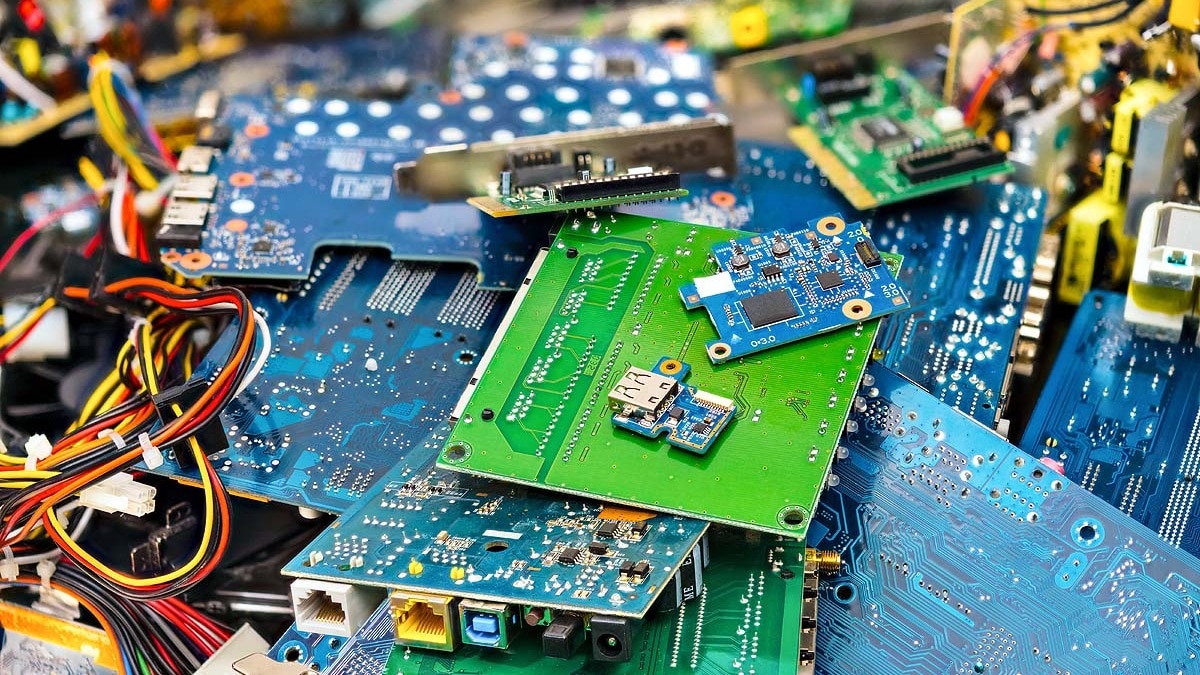
The accelerating deployment of artificial intelligence technology worldwide is driving demand for vast computational infrastructure, but the environmental consequences are emerging as a significant concern for policymakers and environmental scientists across Asia and globally.
Data centres and specialized computing hardware required to power AI systems are generating electronic waste at an alarming rate. Current projections suggest that e-waste from these sources could accumulate to approximately 617 million tonnes by 2050, creating serious challenges for waste management and environmental protection in developing and developed economies alike.
The issue stems from the energy-intensive nature of AI operations and the relatively short operational lifespan of specialized hardware. Graphics processing units, server components, and networking equipment used in data centres become obsolete as technology advances, creating a continuous stream of discarded electronics that require proper disposal and recycling.
Environmental experts highlight that without comprehensive recycling frameworks and responsible disposal practices, this mounting e-waste poses risks including soil contamination, water pollution, and hazardous material exposure. India and other South Asian nations, already grappling with significant e-waste management challenges, face particular pressure as AI infrastructure expands across the region.
Industry stakeholders and governments are increasingly focusing on developing sustainable practices, including hardware efficiency improvements, extended producer responsibility schemes, and enhanced recycling capabilities to mitigate the environmental impact of AI's rapid growth.