Technology · India Bureau
AI-Discovered Gene Editor Hailed as Breakthrough, But Experts Urge Caution
Artificial intelligence has identified a potentially powerful new gene-editing tool, but leading researchers warn that significant validation work remains before it can rival CRISPR technology. Scientists say the discovery, while promising, requires extensive testing before clinical applications.
LSN India ·
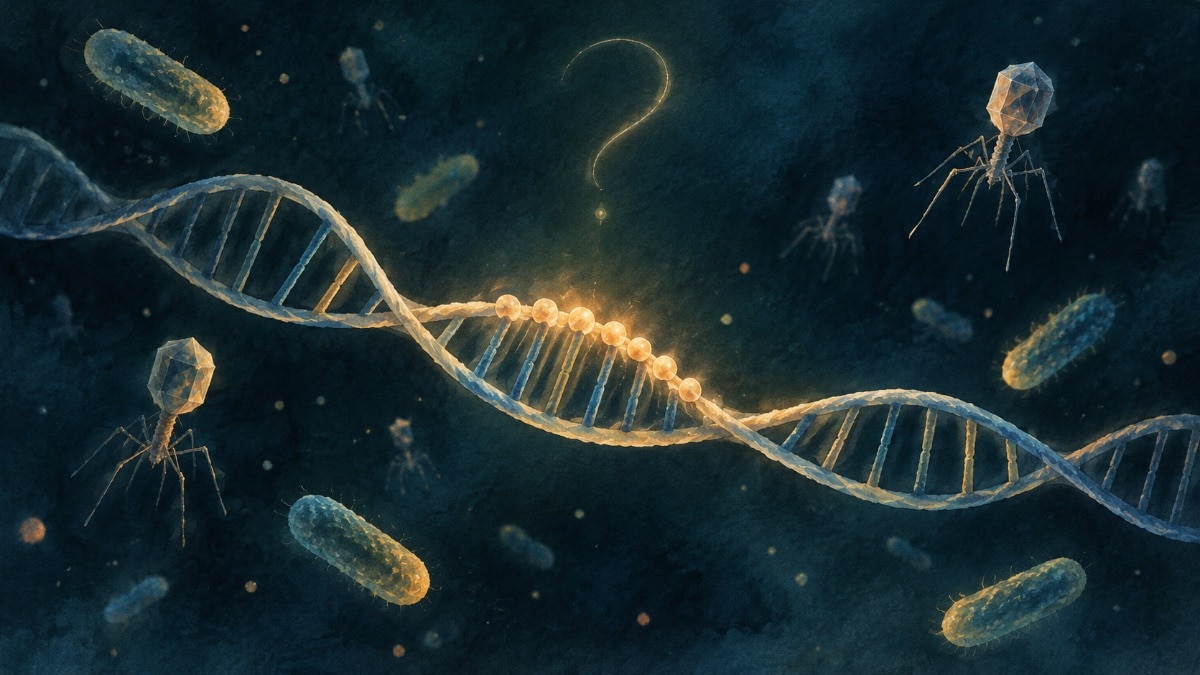
Artificial intelligence researchers have announced the computational discovery of a novel gene-editing system, sparking optimism about potential advances in genetic medicine. The AI-identified tool has generated considerable attention within the scientific community, with some hailing it as a significant breakthrough in the field.
However, prominent gene-editing experts have tempered enthusiasm for the discovery, emphasizing that substantial additional research and laboratory validation are necessary before the tool can be considered comparable to established CRISPR technology. Researchers note that computational predictions, while valuable, must be rigorously tested in experimental settings to confirm their efficacy and safety profiles.
The potential new gene editor differs from existing CRISPR systems in its structure and mechanism, which theoretically could offer advantages in certain applications. Yet experts caution that such advantages remain speculative until peer-reviewed studies demonstrate the tool's practical capabilities in controlled laboratory conditions.
Gene-editing specialists have outlined a lengthy pathway from computational discovery to validated scientific tool, noting that CRISPR itself required years of refinement following its initial identification. They emphasize that any claims of revolutionary potential must be evaluated against rigorous scientific standards and reproducible experimental evidence.
The discovery underscores artificial intelligence's growing role in accelerating biomedical research while highlighting the continued importance of traditional scientific validation methods in confirming novel findings.