Technology · World News Bureau
AI-enhanced robotic insects advance rescue operation capabilities
Researchers have achieved a significant breakthrough in developing cyborg cockroaches equipped with artificial intelligence, enhancing their potential for disaster rescue and emergency response missions. The technology represents a major step forward in bio-hybrid robotics and autonomous search-and-rescue applications.
LSN World News ·
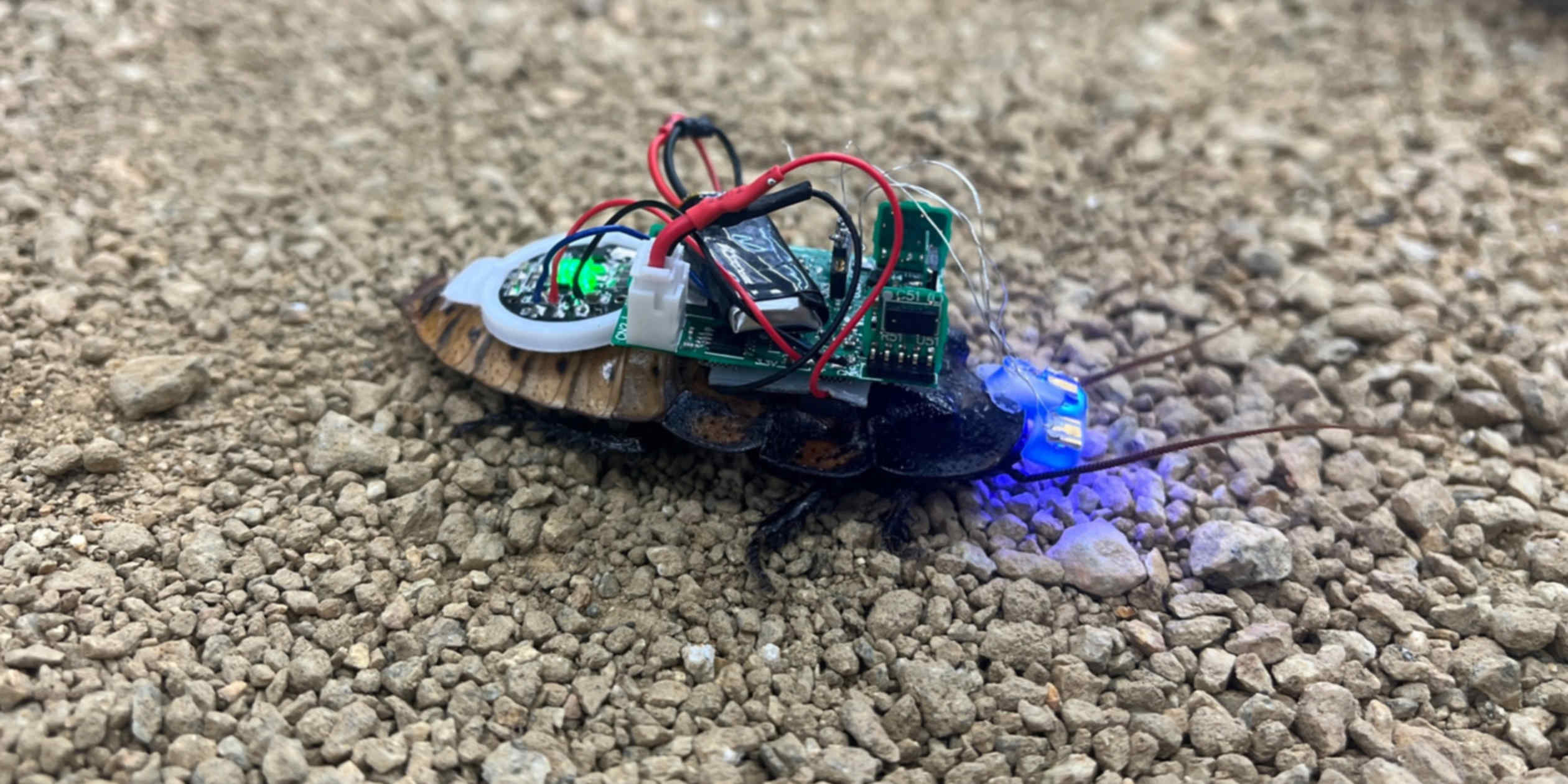
Scientists working on the intersection of biological organisms and robotic enhancement have demonstrated meaningful progress in creating insect-based rescue systems. The cyborg cockroaches, which combine living insects with miniaturized electronic components and AI-driven control systems, can now navigate complex environments with greater autonomy and responsiveness than previous iterations.
The integration of artificial intelligence allows the hybrid insects to make real-time decisions about pathfinding and obstacle avoidance, significantly improving their effectiveness in search operations. Unlike purely mechanical robots, the biological component provides advantages in energy efficiency, flexibility in movement, and the ability to navigate through narrow spaces and debris that would challenge conventional robotic platforms.
Research teams indicate that the technology could prove invaluable for locating survivors in disaster scenarios, including collapsed structures, rubble fields, and other hazardous environments where human rescuers face substantial risks. The insects' small size combined with enhanced sensory capabilities and automated decision-making processes creates a unique platform for reconnaissance missions.
Developers note that ongoing refinement focuses on extending operational duration, improving sensing accuracy, and expanding the range of environments where the cyborg insects can function effectively. The advancement demonstrates the growing viability of bio-hybrid approaches in addressing complex rescue challenges where traditional technology has shown limitations.