Politics · World News Bureau
AI-Generated Deepfakes Proliferate in US Midterm Political Advertising
Artificial intelligence-powered deepfake videos have become increasingly prevalent in US midterm election campaigns, raising concerns about voter manipulation and the erosion of electoral integrity. The technology allows political advertisers to create convincing but fabricated content that could distort public understanding of key issues and candidates.
LSN World News ·
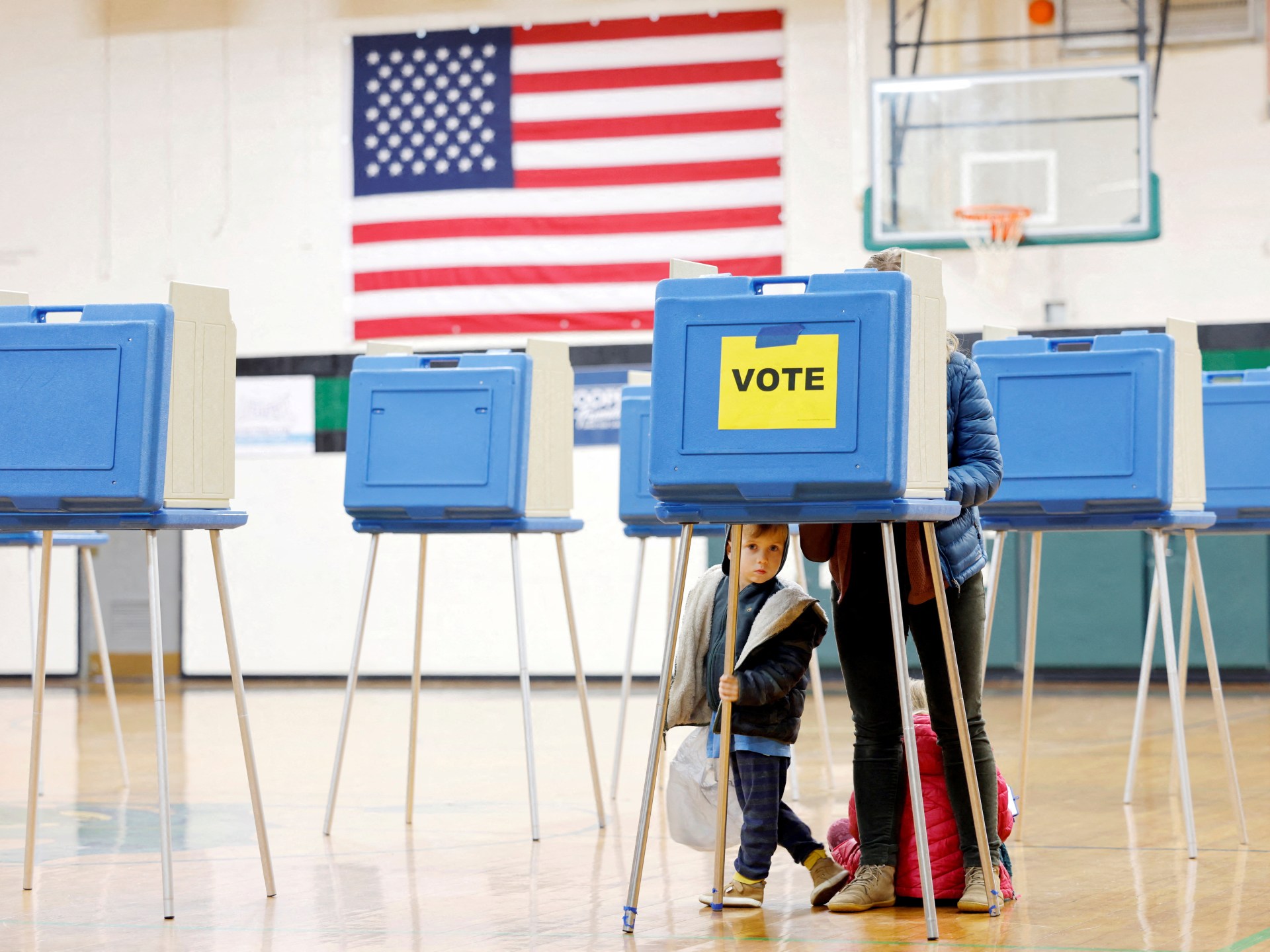
Deepfake technology, which uses artificial intelligence to create synthetic audio and video content, has emerged as a new frontier in political advertising during the 2022 US midterm elections. Campaign strategists and third-party groups have deployed the technology to generate ads featuring altered footage of political opponents, exploiting advances in machine learning that make such fabrications increasingly difficult for average viewers to detect.
The proliferation of AI-generated deepfakes in campaign advertising underscores broader concerns about misinformation in the digital age. Election officials and media analysts have warned that synthetic media can undermine voter confidence and influence electoral outcomes by presenting false or misleading depictions of candidates and their positions.
The challenge poses particular difficulties for fact-checkers and news organizations attempting to verify campaign claims. While some deepfakes contain obvious technical flaws, increasingly sophisticated versions can convincingly replicate human speech patterns, facial expressions, and mannerisms, blurring the line between authentic and manufactured content.
Election watchdogs have called for greater transparency in political advertising and stronger regulations requiring disclosure when artificial intelligence has been used to create campaign materials. Federal and state lawmakers are considering legislation to address the issue, though free speech protections complicate efforts to restrict such content. Meanwhile, technology companies are developing detection tools to identify synthetic media before it reaches voters.