Technology · India Bureau
AI Models Struggle with Memory: What Causes Digital Amnesia
Artificial intelligence systems frequently fail to retain information users expect them to remember, a phenomenon researchers term 'AI amnesia.' Unlike human memory loss, this occurs due to technical limitations rather than cognitive decline.
LSN India ·
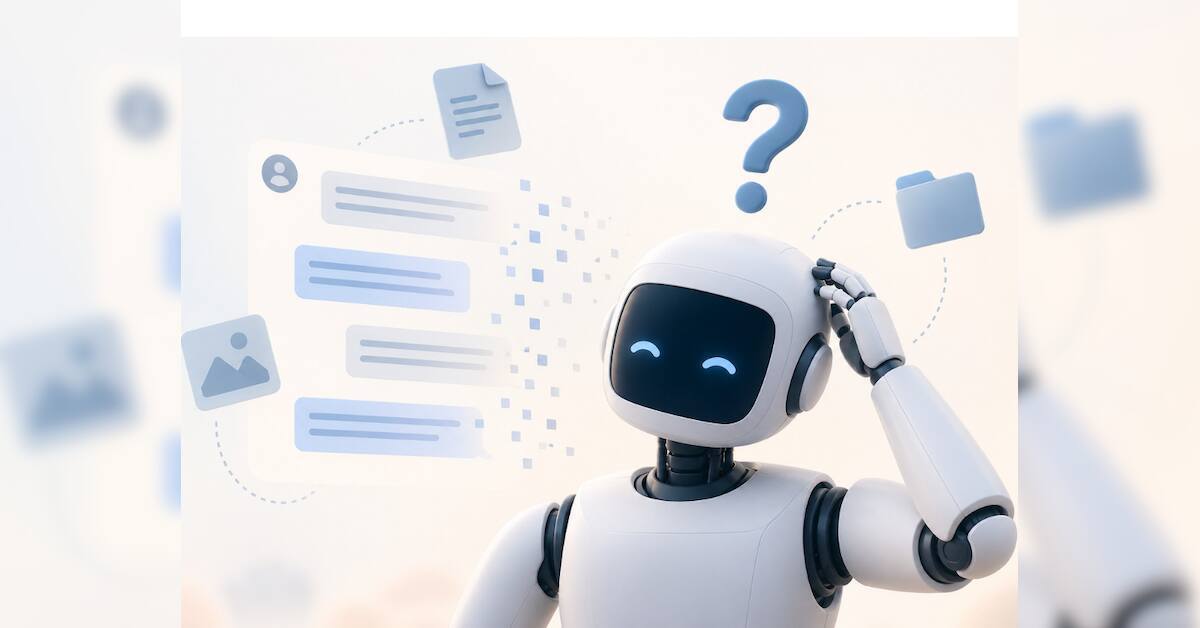
Artificial intelligence models demonstrate a peculiar tendency to forget conversations, preferences and instructions users believe they have clearly communicated. This phenomenon, termed AI amnesia, has emerged as a significant limitation in current AI systems despite their sophisticated capabilities in other domains.
The causes of AI amnesia are distinctly technical rather than biological. Context window limitations represent a primary factor—most AI models can only process a finite amount of text within a single conversation. Once this threshold is exceeded, earlier information becomes inaccessible to the system, much like text scrolling beyond a narrow viewing window. Session boundaries compound this issue, as many AI systems reset between conversations, erasing any memory of previous interactions entirely.
Retrieval failures constitute another critical mechanism. Even when information is theoretically stored within a model's training data, the AI may fail to access or recall it accurately when prompted. Model updates further complicate matters; when AI systems are retrained or refined, previously learned information may be altered or lost entirely. Changes in an AI system's underlying knowledge base can similarly render previously accessible information unavailable or distorted.
These limitations carry practical implications for users relying on AI assistants for repetitive tasks or long-term projects. Developers and researchers continue working to extend context windows and improve information retention, yet the fundamental architecture of current AI systems means some degree of forgetfulness remains inherent to their design. Users seeking consistent AI performance across multiple sessions must currently adapt their approaches, often re-establishing context and preferences with each interaction.