Technology · India Bureau
AI offers route to better Bengaluru buses, but governance poses bigger hurdle
Artificial intelligence could significantly improve the efficiency of Bengaluru's public bus network, though institutional and administrative challenges may prove more difficult to overcome than technological solutions.
LSN India ·
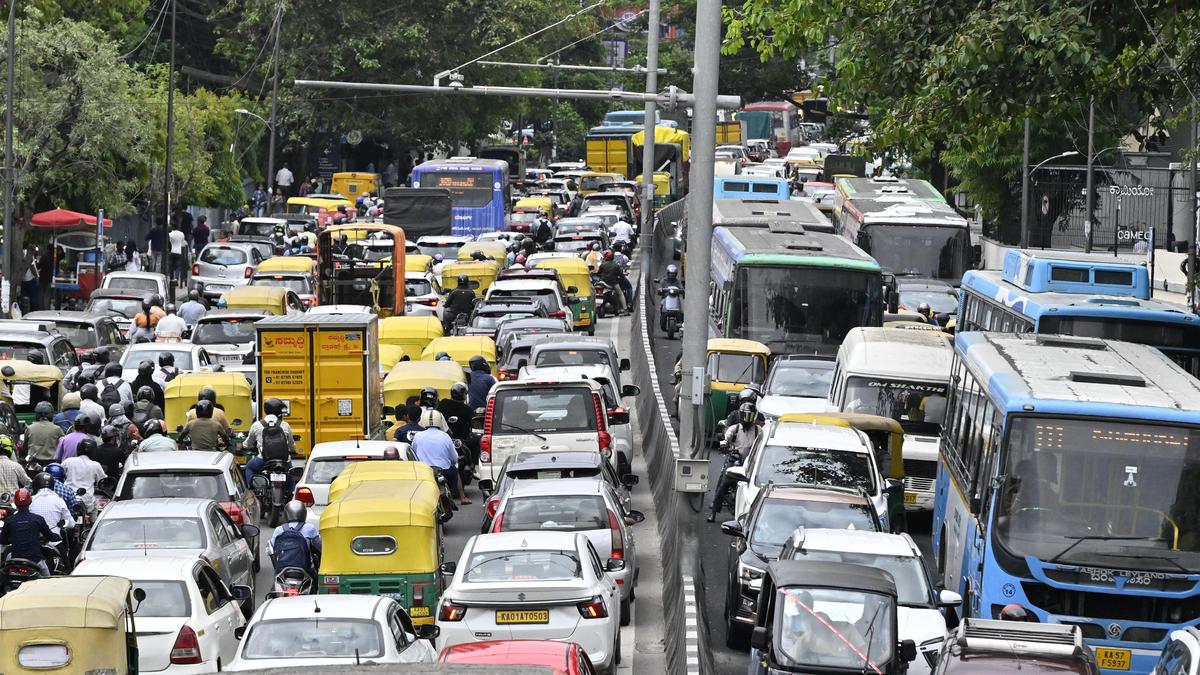
Urban transport experts say artificial intelligence applications could help optimize Bengaluru's sprawling bus network by identifying inefficiencies in route planning, reducing wait times, and improving service frequency across the city's congested corridors. AI algorithms could analyze passenger flow patterns, predict demand fluctuations, and suggest fleet reallocation to better serve high-traffic zones, potentially transforming how the Bangalore Metropolitan Transport Corporation manages its operations.
However, transport analysts caution that deploying AI tools is only part of the solution to the city's mounting commute crisis. The more pressing obstacle lies in the governance structures that oversee public transport, including coordination between multiple agencies, budgetary constraints, and the implementation capacity of municipal authorities.
Implementing AI-driven systems requires robust data infrastructure, technical expertise, and sustained investment—prerequisites that demand strong institutional coordination and political will. Many Indian cities, including Bengaluru, continue to struggle with legacy systems, fragmented decision-making processes, and insufficient funding for public transport modernization.
Transport planners emphasize that technological innovation must be paired with administrative reforms and adequate resource allocation to deliver meaningful improvements in bus service quality and accessibility for the city's millions of commuters.