Politics · Singapore Bureau
AI productivity gains could spark central bank shift to looser monetary policy
Monetary authorities may gradually ease policy as artificial intelligence boosts economic productivity, according to the Monetary Authority of Singapore's chief economist. The assessment underscores the need for central banks to adopt data-dependent approaches as economic conditions evolve.
LSN Singapore ·
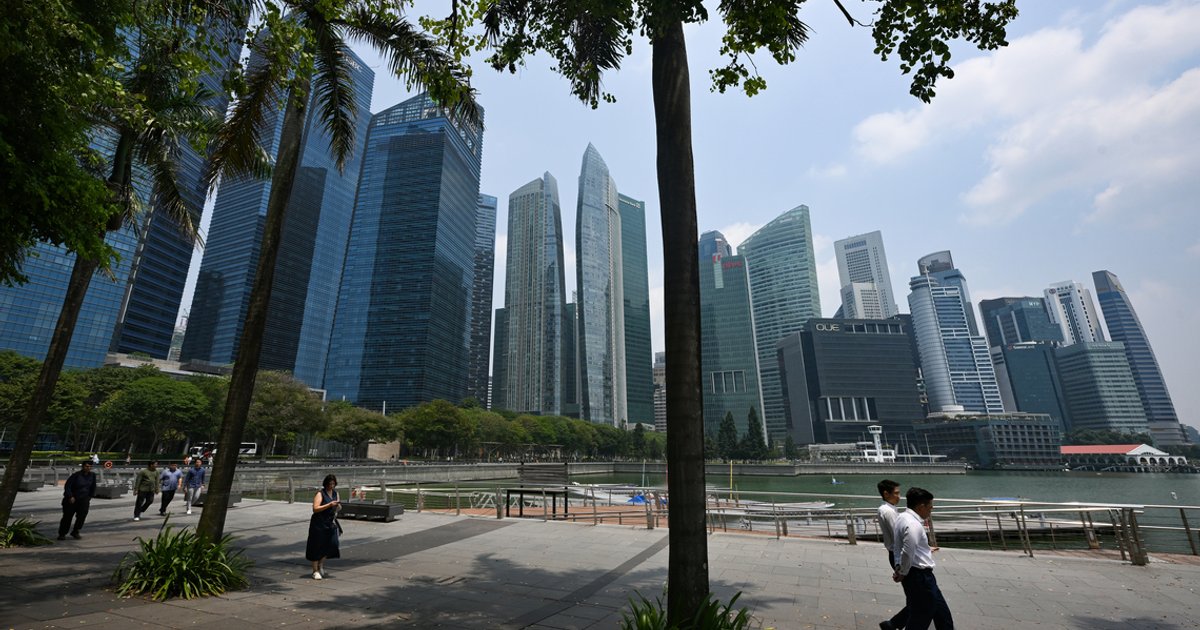
Central banks across Asia may have room to shift toward more accommodative monetary policies as artificial intelligence technologies drive productivity gains across economies, Edward Robinson, chief economist at the Monetary Authority of Singapore, said at a regional forum.
Robinson stressed that such policy adjustments should follow a gradual, data-dependent approach rather than swift changes. The cautious stance reflects the need for monetary authorities to monitor incoming economic data closely before altering their policy stance, particularly given the ongoing uncertainty surrounding AI's full impact on inflation and growth.
The comments reflect growing recognition among policymakers that generative AI and related technologies could meaningfully reshape economic dynamics in the coming years. Increased productivity from AI adoption could theoretically ease inflationary pressures while simultaneously supporting growth, a combination that might justify lower interest rates.
However, Robinson's emphasis on a measured, evidence-based approach suggests central banks remain cautious about jumping to conclusions. The actual implementation of AI productivity gains across broad sectors of regional economies remains nascent, and policymakers are likely to wait for clearer signals in official economic data before committing to significant policy shifts.
The MAS and other regional central banks have maintained relatively tight monetary policies in recent quarters to combat inflation, but comments from senior policymakers suggest the inflation-fighting phase may eventually give way to different priorities as economic conditions shift.