Technology · Sri Lanka Bureau
AI security flaws surge tenfold as critical vulnerabilities spike
A new report reveals that security vulnerabilities in artificial intelligence services have surged dramatically in the first half of 2026, with critical flaws reaching levels not previously seen. The findings raise significant concerns about the safety and reliability of AI systems now widely deployed across the region.
LSN Sri Lanka ·
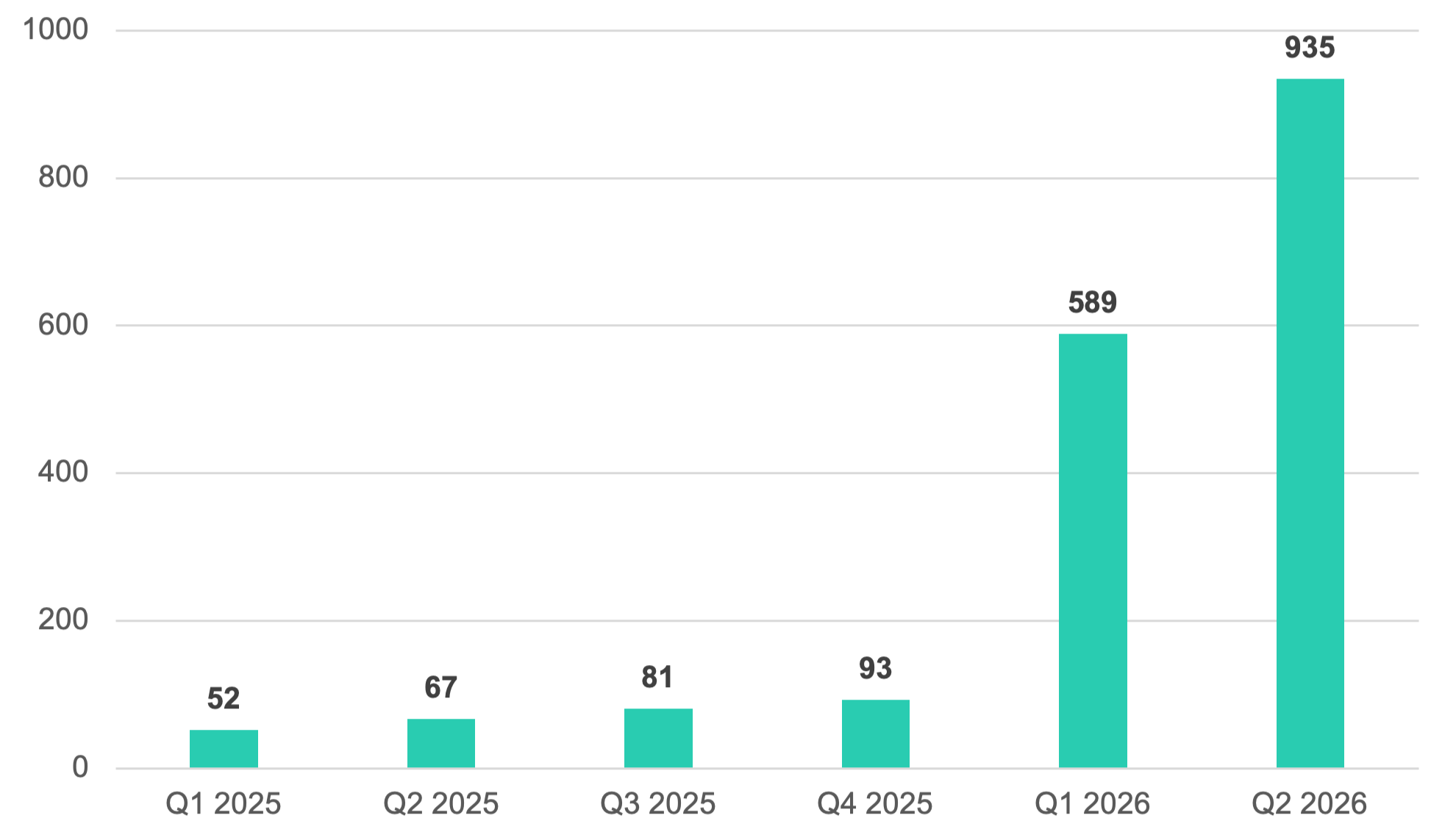
The number of critical vulnerabilities identified in AI services has reached 119 in the second quarter of 2026, representing a nearly fivefold increase from levels recorded at the end of 2025, according to latest industry analysis. The sharp uptick underscores growing security challenges as artificial intelligence systems become increasingly embedded in essential business and government operations.
The tenfold surge in overall vulnerabilities during the first half of 2026 marks an alarming acceleration in the discovery of security flaws across AI platforms and services. Experts attribute the rise partly to increased scrutiny from security researchers and heightened awareness among organizations deploying AI systems, though the underlying causes of vulnerability proliferation remain a matter of concern.
The findings come at a critical juncture as countries across South and Southeast Asia accelerate adoption of AI technologies for applications ranging from healthcare and finance to public administration. The widening gap between deployment pace and security preparedness has prompted calls from industry and government bodies for more rigorous testing protocols and standardized security frameworks before AI systems enter widespread use.
Security analysts warn that the concentration of critical vulnerabilities poses particular risks given the interconnected nature of modern AI services. Organizations have been urged to conduct immediate audits of their AI infrastructure and implement enhanced monitoring systems to detect and respond to potential exploits before they can be weaponized.