Technology · Malaysia Bureau
AI technology offers hope for Malaysia's endangered gaharu trees
Scientists and fragrance manufacturers are harnessing artificial intelligence to synthesize rare agarwood scents, potentially reducing pressure on Malaysia's threatened gaharu populations. The technological breakthrough could help preserve one of the region's most valuable and vulnerable forest resources.
LSN Malaysia ·
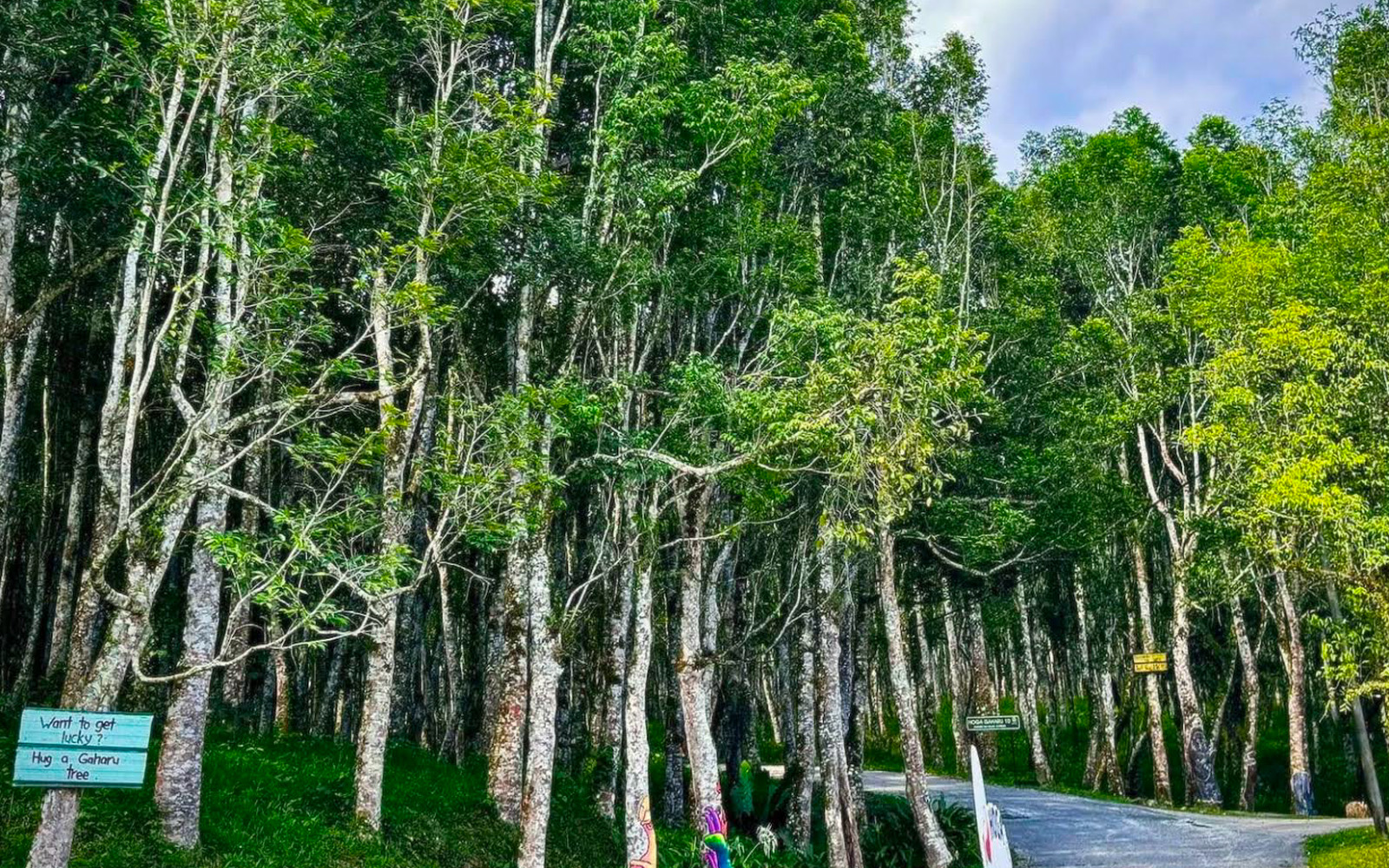
Gaharu, or agarwood, has long been prized across Asia for its distinctive fragrance and use in traditional medicine and religious ceremonies. However, decades of unsustainable harvesting have depleted wild populations throughout Southeast Asia, placing the trees on conservation watch lists and prompting stricter export controls in Malaysia and neighbouring countries.
Researchers are now turning to artificial intelligence and advanced chemistry to recreate the complex aromatic compounds found in premium-grade agarwood. By analyzing the molecular structure of natural gaharu scent, scientists can develop synthetic alternatives that replicate its unique characteristics without requiring the harvesting of rare trees.
Fragrance companies have begun incorporating these lab-created compounds into perfumes and incense, offering consumers access to agarwood's signature scent at a fraction of the environmental cost. Industry observers note that widespread adoption of synthetic alternatives could significantly reduce market demand for wild-harvested gaharu, easing pressure on remaining forest populations.
Conservation groups view the development as a potential game-changer for protecting Malaysia's biodiversity. While synthetic scents remain more expensive than harvested alternatives, technological advances and increased production are expected to improve cost competitiveness in coming years, making sustainable options more accessible to regional markets that have historically relied on wild-harvested supplies.