World · India Bureau
AI technology offers new hope for flood forecasting in South Asia
Technology experts are increasingly turning to artificial intelligence as a solution for improving flood prediction and water resource management across the region. The approach could help vulnerable nations better prepare for and mitigate the impacts of seasonal flooding.
LSN India ·
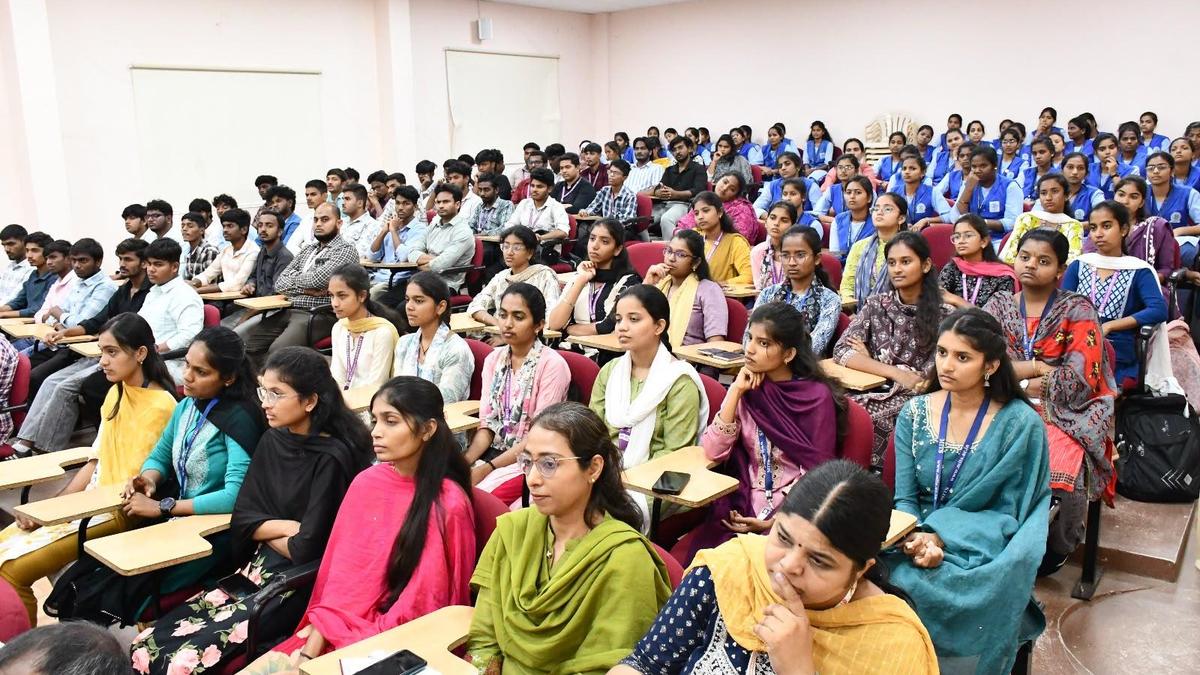
Experts across South and Southeast Asia are highlighting artificial intelligence's significant potential in strengthening flood forecasting systems and optimizing water management strategies, according to discussions at recent regional forums. Machine learning algorithms and AI-driven models can analyse vast amounts of meteorological and hydrological data more rapidly than traditional methods, enabling meteorological departments and water authorities to issue more accurate and timely flood warnings.
The technology is particularly valuable for the region, where monsoons and extreme weather events pose recurring threats to millions of people and critical infrastructure. AI systems can process real-time information from weather stations, satellite imagery, and river monitoring networks to identify patterns and predict flood risks with greater precision, allowing governments to implement early warning systems and evacuation procedures more effectively.
Beyond disaster prediction, experts note that AI applications extend to water resource management, helping authorities optimize dam operations, irrigation scheduling, and water distribution networks. These systems can balance competing demands for water across agricultural, industrial, and residential sectors while accounting for seasonal variations and long-term climate trends.
However, specialists caution that successful implementation requires investment in data infrastructure, technical expertise, and integration with existing government frameworks. Developing nations must also ensure that AI solutions are tailored to local conditions and remain accessible to smaller municipalities and rural areas that often face the greatest flood vulnerability.
Regional cooperation on data sharing and collaborative model development could accelerate adoption of these technologies, experts suggest, potentially reducing disaster losses and improving water security across South Asia.