Technology · World News Bureau
AI threatens to sever India's textile artisans from their own heritage
Digital technology designed to document India's centuries-old weaving traditions is now capable of replicating intricate textile patterns without craftspeople involvement. The shift raises urgent questions about cultural ownership and artisan livelihoods in an era of automated production.
LSN World News ·
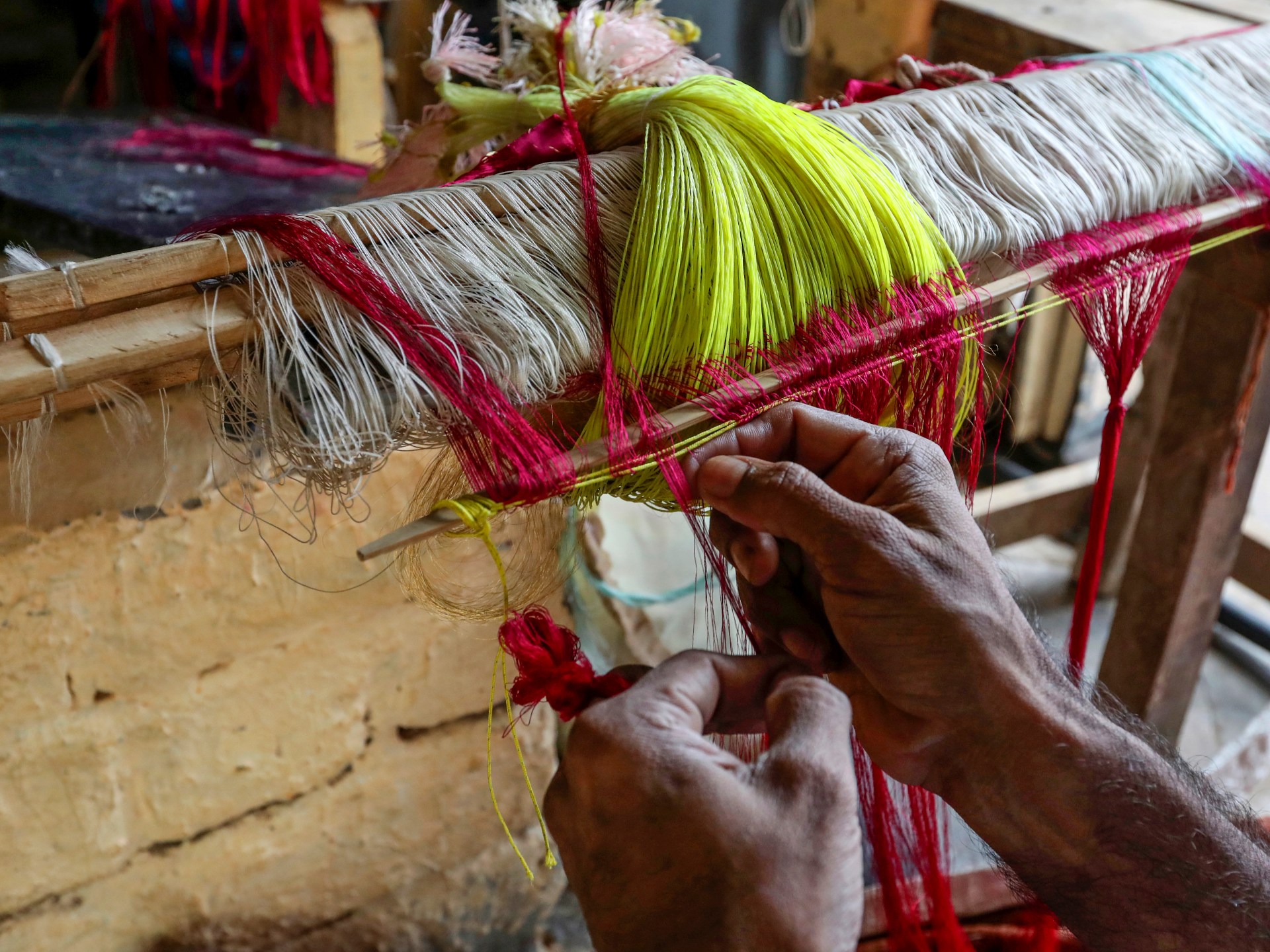
India's textile heritage, built over centuries by skilled hands and passed down through generations, faces an unprecedented challenge as artificial intelligence enables mass production of traditional patterns without direct artisan participation. Digital tools originally developed to archive and preserve endangered weaving techniques can now reproduce complex designs autonomously, fundamentally disrupting the relationship between craftspeople and their cultural legacy.
The technology allows manufacturers to scan traditional textiles, extract design elements, and generate reproductions at industrial scale—a process that bypasses the expertise and labor of master weavers. While proponents argue such digitization ensures these art forms survive technological disruption, critics warn the shift threatens the economic foundation supporting India's textile artisan communities, many of whom already face economic pressure from industrial competition.
The tension reflects broader concerns about cultural intellectual property in the Global South. Traditional knowledge systems, long shared openly within communities, now face appropriation through digital means. Artisans who perfected techniques over lifetimes may find their innovations exploited commercially without compensation or attribution.
Industry stakeholders and policymakers increasingly grapple with governance questions: Should artisans retain rights to digitized versions of their traditions? Can heritage protection coexist with technological advancement? India's response could set precedent for how other nations safeguard indigenous crafts in a digitized world, determining whether preservation technology becomes a tool for cultural survival or cultural extraction.