World · World News Bureau
AIPAC shifts strategy, halts direct endorsements and candidate contributions
The American Israel Public Affairs Committee announced a strategic overhaul, discontinuing its practice of directly endorsing candidates and making campaign contributions. The move marks a significant departure from the influential lobby group's decades-long approach to shaping U.S. political campaigns.
LSN World News ·
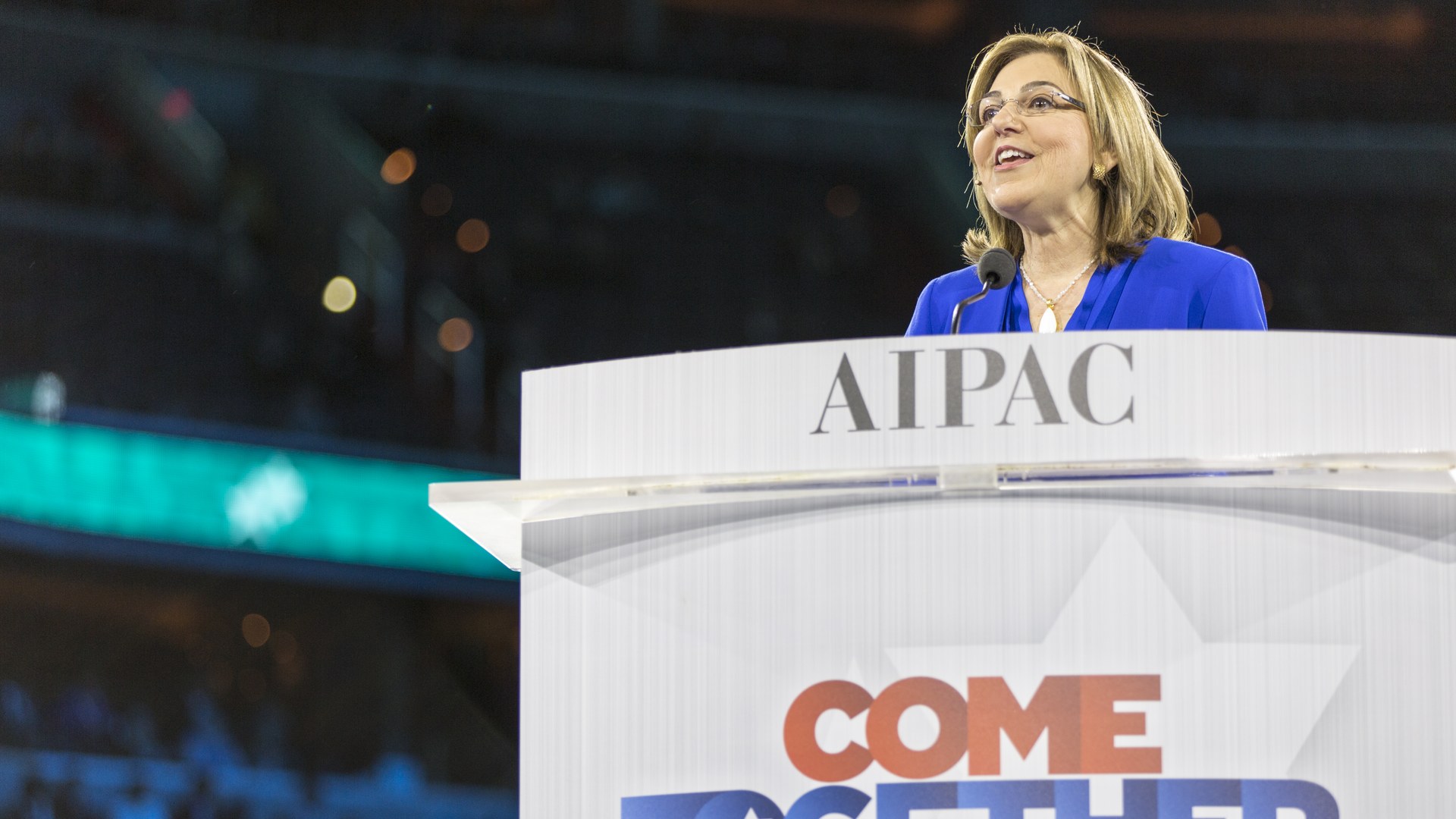
The American Israel Public Affairs Committee (AIPAC) revealed plans to cease its endorsement activities and direct financial contributions to political candidates, signaling a fundamental restructuring of its engagement with the electoral process. The decision represents a notable shift for one of Washington's most prominent foreign policy advocacy organizations, which has long wielded considerable influence over U.S. Middle East policy through its political support.
Under the revised approach, AIPAC indicated it would redirect its focus toward grassroots advocacy and issue-based campaigns rather than backing individual candidates. The organization stated it would continue to engage with lawmakers and the public on matters related to U.S.-Israel relations, though through different mechanisms than traditional campaign endorsements and donations.
The announcement comes amid evolving political dynamics and growing scrutiny of foreign policy lobbying groups' role in American electoral politics. AIPAC's restructuring reflects broader questions about how advocacy organizations can most effectively advance their policy objectives within the American political system.
The committee's decision is expected to prompt analysis of its future political influence and the potential implications for Middle East policy discussions within Congress and the broader political establishment.
Photo: Then-AIPAC President Lillian Pinkus addresses the AIPAC Policy Conference in Washington, D.C., March 2016. Lorie Shaull via Wikimedia Commons (CC BY-SA 4.0).