World · India Bureau
Air Chief Marshal AP Singh's tenure marked by operational drives, indigenous push
Air Chief Marshal Arunachal Prakash Singh's four-year command of the Indian Air Force has been defined by Operation Sindoor, the Tejas fighter jet debate, and warnings over squadron strength deficits. Singh, who retires October 31, prioritized accelerated procurement and indigenous capability development.
LSN India ·
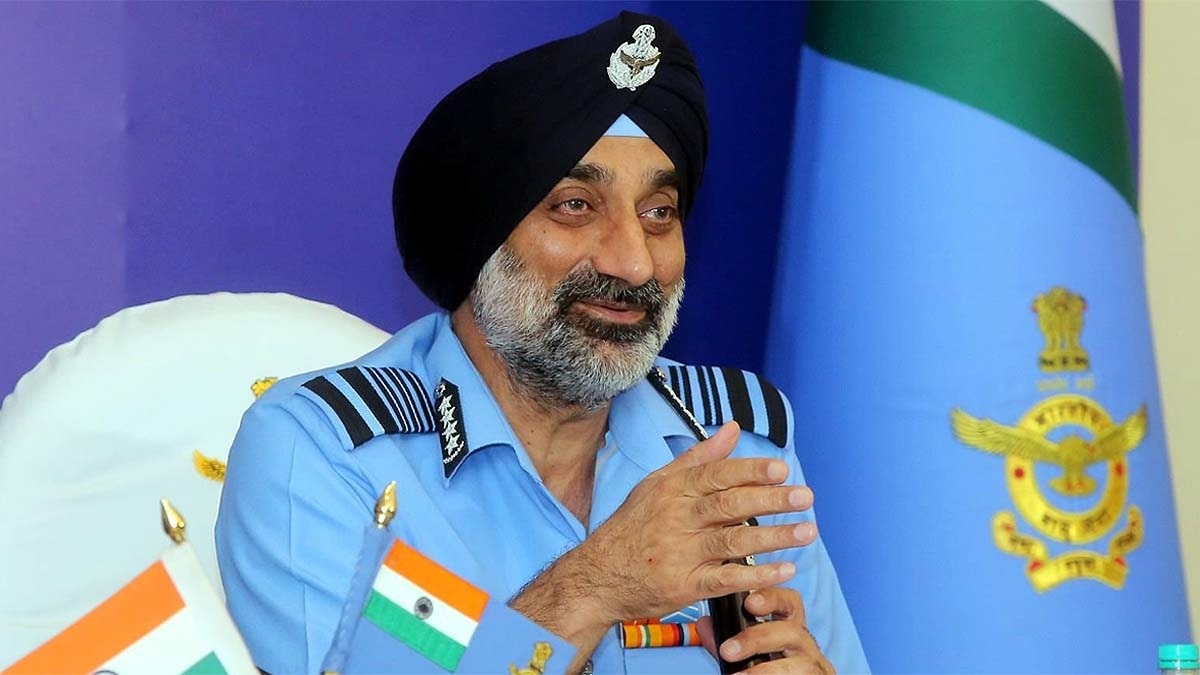
Air Chief Marshal AP Singh's leadership of the Indian Air Force has been shaped by several defining initiatives and challenges that underscore the service's modernization efforts and operational readiness concerns. His tenure witnessed the execution of Operation Sindoor, a significant operational campaign, alongside ongoing deliberations surrounding the induction of the indigenously-developed Tejas light combat aircraft into the fighter fleet.
Throughout his command, Singh has consistently advocated for faster acquisition cycles to bolster India's aerial capabilities. He emphasized the need to reduce dependency on foreign defence systems by strengthening domestic defence manufacturing and technological development. This push for self-reliance has become a cornerstone of his strategic vision for the force's future.
One of Singh's most pressing concerns has been the persistent squadron strength shortfall within the IAF. He has repeatedly flagged the need to augment fighter aircraft numbers to maintain operational effectiveness and deterrence posture, highlighting a gap between sanctioned and actual squadron strengths that has concerned military planners.
As Singh approaches his retirement on October 31, his tenure is likely to be remembered for efforts to balance immediate operational needs with long-term indigenous capability building. His stewardship comes at a critical juncture as India seeks to modernize its defence infrastructure amid evolving regional security dynamics.